
Introduction
Truck driver jobs in Australia are steady, independent roles that suit people who like driving and do not mind long hours on the road. Truck drivers work in Sydney, Melbourne, Brisbane, Perth, and smaller towns, carrying freight between depots, warehouses, farms, mines, and ports, and the work runs through the day and into the night.
This guide explains what truck driving work in Australia actually involves, what licences employers look for, where to find real listings, and how to apply safely. It is written for job seekers, and it does not promise a job, a visa, or sponsorship.
What truck driver work in Australia actually looks like
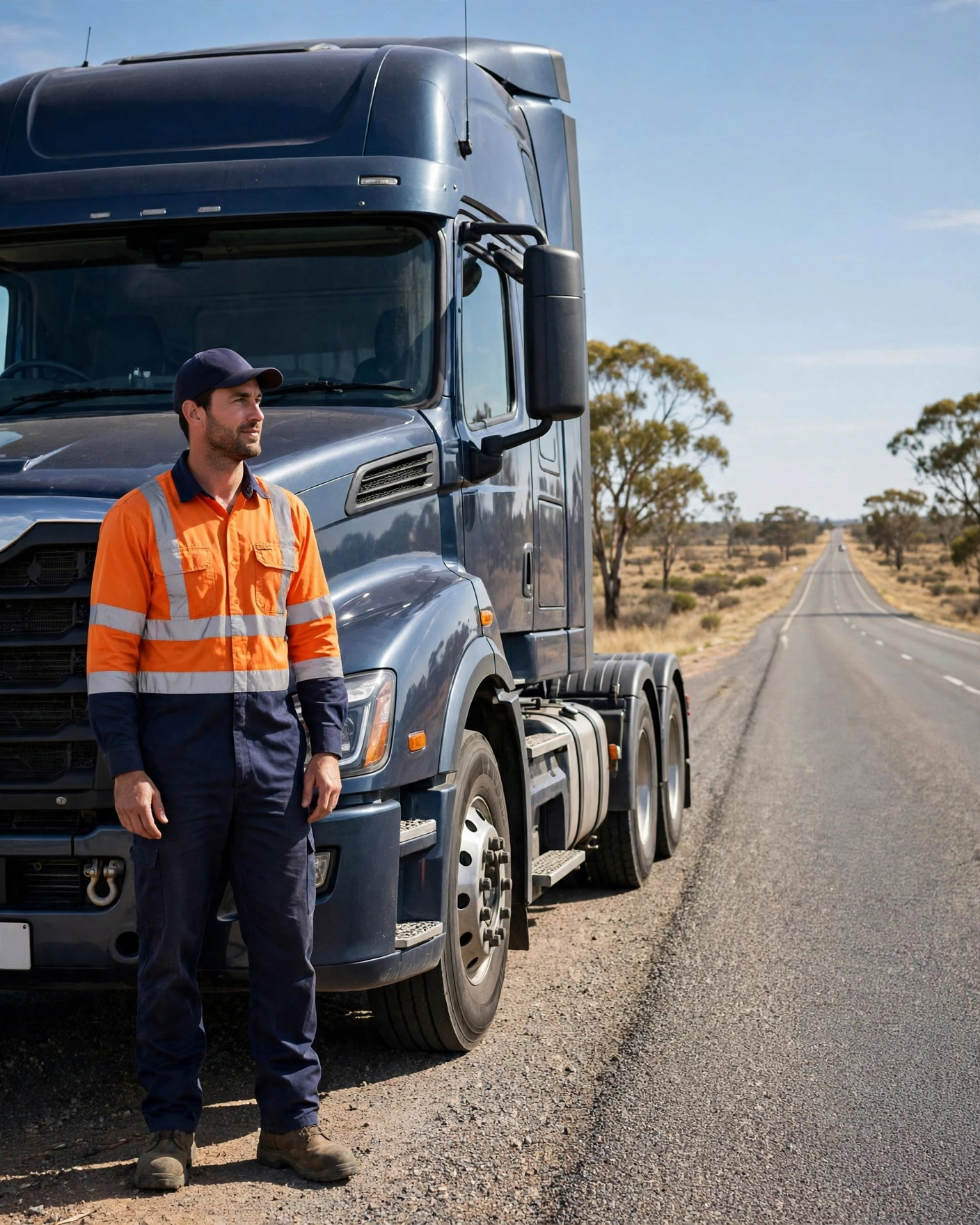
A truck driver day starts at the depot, with checking the vehicle, loading the freight, and planning the route. You might be driving a rigid truck on local deliveries around a city, a semi trailer on a linehaul run between two cities, or a road train on a remote route in the outback. The day is a mix of driving, loading, unloading, and talking to customers at the dock.
The work changes with the type of driving. Local delivery work means early starts, many stops, and being home at night. Linehaul work means long distances, nights away, and sleeping in the cab or in roadhouse rooms. Mining and construction work means driving on unsealed roads, following strict site rules, and working to a roster. Some roles use a rigid truck, some use a semi, and some use a B-double or a road train, and the listing should say which one it is before you start.
Most truck driving is done on the road in all kinds of weather. An Australian summer is hot, and the outback is very hot, so you need to be comfortable driving for long hours in heat. Winter is quieter in the south and wet in the north. You need to be comfortable with fatigue management rules, using a logbook, and taking rest breaks when the law says you must. Drivers who deliver on time and look after the truck get called back, because a truck that breaks down on the road costs the company money.
Where to find real truck driver jobs in Australia
The best place to start is Seek, which carries the most transport and logistics listings in the country. Search for truck driver and the city or state you want to work in, and read the listing in full before you apply. Indeed Australia is the second place to check, and it often lists the same roles from transport companies, freight firms, and labour hire agencies.
Large transport and logistics companies hire drivers directly through their own careers pages, and they often list the vehicle type, the route, and whether the role is local or linehaul in the ad. Supermarket and retail chains list delivery drivers for their distribution centres, and mining companies list truck drivers for site work in Western Australia and Queensland. Labour hire firms place drivers on short term roles, which can be a good way to start if you are new to a city.
When you search, use the city as well as the role. Truck driving in Sydney is different from truck driving in a smaller town. City work has more stops and more traffic, while linehaul work has longer distances and nights away. Check whether the listing provides a truck or asks you to drive your own, because that changes the pay and the costs a lot. Check the licence class too, because a heavy rigid licence does not let you drive a B-double.
What employers usually ask for
The first thing an employer asks for is a valid heavy vehicle licence. In Australia, that usually means a heavy rigid licence or higher, and a clean driving record. The licence classes are the job, and the listing should say which class it needs, such as MR, HR, HC, or MC. Employers will check your driving record before you start, so be honest about it.
The second thing is reliability and knowledge of the road rules. Truck driving runs on a tight schedule, and a driver who turns up on time, knows the route, and delivers on time is worth keeping. A fatigue management course is needed for many long distance roles, and some employers ask for a dangerous goods ticket or a forklift ticket too. If you do not have those tickets yet, some are short courses and they are worth doing before you apply.
Employers look for a valid work visa or the right to work in Australia, and they will ask to see it before you start. Previous driving or delivery work helps a lot, and a reference from a past employer is worth more than a long resume. A clean criminal record check may be needed too, because drivers handle valuable freight and enter customer sites.
How pay is described in a listing
Pay for truck driver jobs in Australia is usually listed per hour, or per kilometre for linehaul work. The rate changes by state, by the type of driving, and by your experience. A real listing states the rate clearly, or it says the rate is discussed at interview. Linehaul and mining work can pay more, but it depends on the roster and the distance, so read the listing carefully before you decide.
Read the listing for how pay is described. A listing that promises very high pay for very little work, with no employer name and no depot location, is a warning sign. Never pay for a job, a licence from an unknown provider, a uniform, or a visa before you have a written offer. A real transport company pays you for your work, and it never asks you to pay to start driving.
The visa question, honestly
Truck driving in Australia is usually done by people who already have the right to work in Australia, such as citizens, permanent residents, and people on work visas that allow driving work. The rules depend on your visa type, your age, and your driving licence, and they change from time to time. Truck driving does appear on skilled lists from time to time, but the list changes, so check the current list rather than trusting an old ad.
If you are outside Australia and want to work as a truck driver, be careful with anyone who promises you a driving job and a visa for a fee. A real employer never asks you to pay for a job or a visa. Check the official immigration website for the visa you would need, and check that the employer and the company are real before you send documents or pay anything. You will also need to check whether your driving licence is valid in the state you want to work in, because the rules are different in each state.
How to apply, step by step
Step 1: Get your documents ready
Gather a resume that lists any driving work you have done, and add references from a past employer if you have them. Have your heavy vehicle licence, your driving record, and your work visa or proof of the right to work in Australia ready. If you hold extra tickets, such as fatigue management or dangerous goods, list them clearly.
Step 2: Search properly on Seek and Indeed
Search Seek and Indeed Australia for truck driver and the city you want to work in. Read each listing in full. Check the employer name, the depot location, the vehicle type, the route, and the licence class needed. Apply only to listings that name the employer and the company.
Step 3: Write a short, specific application
Keep your resume to two pages. Put your licence class and your driving experience at the top, and say clearly which city you can work in and when you can start. Mention the vehicles you can drive and the routes you know well. Do not copy the job ad word for word.
Step 4: Prepare for a practical interview
Truck driver interviews are often practical. Expect questions about your driving record, how you would handle a long run, and how you deal with fatigue. Some companies ask for a short driving assessment. Answer with examples from your own experience, and be honest about what you can do.
Step 5: Check the offer before you accept
Read the offer before you sign. Check the pay, whether it is hourly or per kilometre, the hours, the depot location, and whether a truck is provided. Check who pays for fuel, insurance, and maintenance, and what the roster looks like. If anything in the offer is different from what the listing promised, ask about it before you sign.
The licence classes are the job: HC and MC
In Australia, the heavy vehicle licence class decides what work you can take, and that is why the listing always names it. A medium rigid licence covers smaller trucks, a heavy rigid licence covers bigger rigid trucks and buses, a heavy combination licence covers prime movers with a semi trailer, and a multi combination licence covers B-doubles and road trains. Each class needs a separate test, and you cannot skip ahead to the top class without holding the lower ones for the time the law requires.
Upgrading takes time and money, so plan it before you need it. A driver with a heavy rigid licence who wants linehaul work will usually need to upgrade to heavy combination first, and that means a course, a practical test, and a medical check. Some employers pay for the upgrade for a good driver, and a listing that says the employer supports licence upgrades is a good sign.
Check the licence class in every listing before you apply, and be honest about what you hold. Applying for a multi combination role with a heavy rigid licence wastes your time and the employer’s time. A driver who holds the right licence, keeps a clean record, and looks after the truck has more work to choose from than a driver who does not.
Your route and your reputation
In truck driving, your route and your reputation travel with you. A driver who delivers on time, handles freight carefully, and is polite at the dock gets called back. A driver who is late, damages freight, or argues with customers does not. Dispatchers talk to each other, and transport companies remember the good drivers by name.
Look after your truck, keep it clean and safe, and keep your licence and tickets current. Take the fatigue rules seriously, because a tired driver is a dangerous driver, and a clean driving record is what keeps you working. A good record is worth as much as a fast run, and it is what keeps you getting the better routes.
What to avoid
Do not apply to a listing that has no employer name, no depot location, and only a phone number or messaging app. Never pay for a job, a licence, a uniform, or a visa before you have a written offer. Keep your passport number and bank details to yourself until you have verified the employer. Walk away from a role that asks you to drive without a valid licence or insurance, because that is not allowed in Australia. Treat a listing that promises very high pay for very little work as a warning sign, and check it twice before you reply.
Frequently asked questions about truck driver jobs in Australia
Do I need a licence to work as a truck driver in Australia?
Yes. You need a valid heavy vehicle licence for the state you work in, usually heavy rigid or higher, and a clean driving record. The listing will say which class it needs.
What is the difference between HC and MC licences?
A heavy combination licence lets you drive a prime mover with a semi trailer. A multi combination licence lets you drive B-doubles and road trains. MC is the higher class, and you need HC experience before you can get it.
How much do truck drivers earn in Australia?
Pay is usually listed per hour or per kilometre, and it changes by state, by the type of driving, and by your experience. Check the live listing for the rate, because it changes from employer to employer.
Can I work as a truck driver in Australia without experience?
You can start with local delivery work in a rigid truck, and build up experience from there. You will need the right licence class, a clean record, and a willingness to start with shorter runs.
Do truck drivers in Australia get to choose their routes?
Linehaul drivers usually run set routes, and local drivers run the runs the dispatcher gives them. Senior drivers often get first pick of the better runs, so experience helps.
Related guides
- Truck Driver Jobs in Canada 2026
- Delivery Driver Jobs in Australia 2026
- Mechanic Jobs in Australia 2026
Job804 shares job information and practical guides. Job804 is not an employer, not a recruitment agent, and does not guarantee a job, an interview, or a visa. Always check the live listing on Seek or Indeed Australia, and check visa conditions on the official immigration website before you apply or pay for anything. Never pay for a job offer.
Last checked: 20 November 2026. Check the live listing before you apply.
