
Introduction
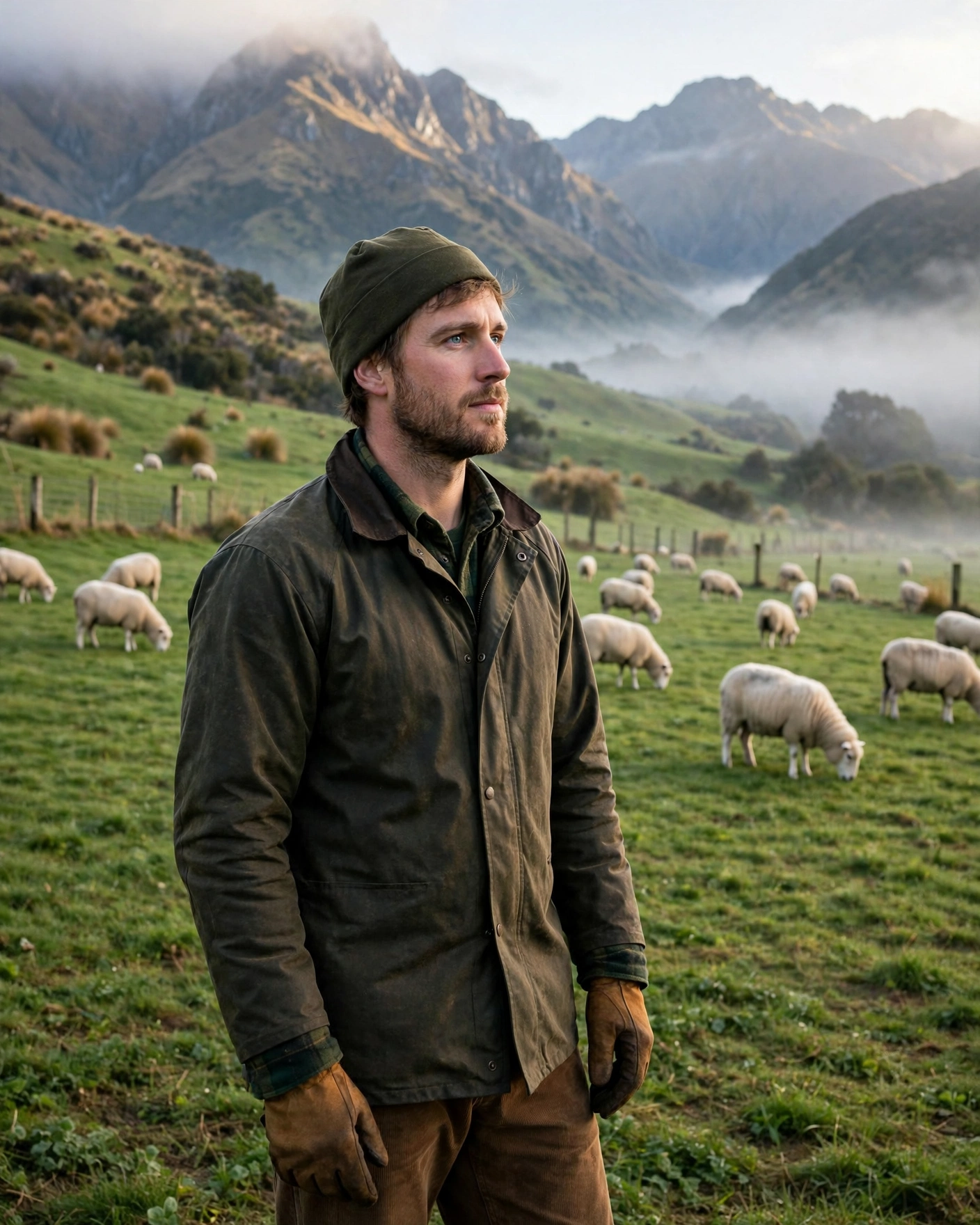
Farm jobs in New Zealand are practical, outdoor roles that suit people who like physical work and do not mind early mornings and changing weather. Farm workers look after sheep, cattle, and dairy herds, pick fruit and vegetables, prune vines, and help with harvests across Canterbury, Hawke’s Bay, Bay of Plenty, Southland, and Otago.
This guide explains what farm work in New Zealand actually involves, what employers look for, where to find real listings, and how to apply safely. It is written for job seekers, and it does not promise a job, a visa, or sponsorship.
What farm work in New Zealand actually looks like
A farm day starts early, often before sunrise. You feed animals, check fences, and set up for the day. A dairy farm day might mean milking cows, cleaning the shed, and moving stock between paddocks. A sheep and beef farm day could mean mustering, drenching, fencing, and helping with lambing in spring. Horticulture work is picking, packing, pruning, and thinning. It follows the seasons closely.
The work changes with the type of farm. Dairy work is steady all year, with two milkings a day and a regular roster. Sheep and beef work is more varied, with busy periods at lambing, shearing, and weaning. Fruit picking work is seasonal and fast, with long days during harvest and quieter weeks between crops. Vineyard work runs in cycles, with pruning in winter, canopy work in summer, and harvest in autumn.
Most farm work is done outdoors in all kinds of weather. Rain, wind, and mud are part of the job, and a New Zealand winter can be cold in the South Island. You need to be comfortable on your feet all day, lifting, carrying, and working with animals or machinery. Farm workers who turn up on time, follow instructions, and keep a steady pace get asked back, because a farm runs on reliable hands.
Where to find real farm jobs in New Zealand
The best place to start is Seek New Zealand, which carries the most farm and rural listings in the country. Search for farm worker and the region you want to work in, and read the listing in full before you apply. Trade Me Jobs is the second place to check, and it often lists the same roles from farms, orchards, and contractors.
Large farms and orchards hire workers directly through their own websites and careers pages. Farm contractors list seasonal roles too, and they often say whether the work is picking, pruning, or general farm work in the ad. Rural recruitment agencies place farm workers on short and long term roles, which can be a good way to start if you are new to a region and want to try different farms.
When you search, use the region as well as the role. Farm work in Hawke’s Bay is different from farm work in Southland. Hawke’s Bay has orchards and vineyards with seasonal picking work. Southland has dairy and sheep farms with steady year round work. Check whether the listing mentions accommodation, because some farms offer a room or a cottage with the job, and the listing should say what it costs.
What employers usually ask for
The first thing an employer asks for is proof you can do physical work and keep up with a farm day. Farm work does not usually need a formal qualification, but employers want to see that you are fit, reliable, and willing to work outdoors in any weather. Previous farm, outdoor, or manual work helps a lot, and a reference from a past employer is worth more than a long resume.
The second thing is a driving licence and, for some roles, experience with machinery. Many farms need workers who can drive a quad bike, a tractor, or a farm ute, and the listing should say what licence you need. A licence for a larger vehicle helps on dairy and contracting work. If you do not have one yet, be honest about it, because some farms will train you and some will not.
Employers also look for a valid work visa or the right to work in New Zealand, and they will ask to see it before you start. Some roles need a first aid certificate, which helps too. Be honest about your availability, because farms plan their season around the workers they trust, and a worker who leaves mid harvest is hard to replace.
How pay is described in a listing
Pay for farm jobs in New Zealand is usually listed per hour, or as a weekly salary for a full time role. The rate changes by region, by the type of farm, and by your experience. A real listing states the hourly rate clearly, or it says the rate is discussed at interview. Some picking work is paid by the bin or by the kilo, and the listing should say how that works and what a good picker can expect.
Read the listing for how pay is described. A listing that promises very high pay for very little work, with no farm name and no region, is a warning sign. Never pay for a job, a certificate from an unknown provider, a uniform, or a visa before you have a written offer. A real farm pays you for your work, and it never asks you to pay to start picking or milking.
The visa question, honestly
Farm work in New Zealand is usually done by people who already have the right to work in New Zealand, such as citizens, residents, and people on work visas that allow farm work. The rules depend on your visa type, your age, and your experience, and they change from time to time.
If you are outside New Zealand and want to work on a farm, be careful with anyone who promises you a farm job and a visa for a fee. A real employer never asks you to pay for a job or a visa. Check the official immigration website for the visa you would need, and check that the employer and the farm are real before you send documents or pay anything. Do not pay anyone who says they can speed up a visa for a fee.
How to apply, step by step
Step 1: Get your documents ready
Gather a short resume that lists any farm, outdoor, or manual work you have done, and add references from a past employer if you have them. Have your driving licence ready if you hold one. Have your work visa or proof of the right to work in New Zealand ready.
Step 2: Search properly on Seek and Trade Me Jobs
Search Seek New Zealand and Trade Me Jobs for farm worker and the region you want to work in. Read each listing in full. Check the farm or employer name, the region, the type of work, the roster, and whether accommodation is included. Apply only to listings that name the employer and the farm.
Step 3: Write a short, specific application
Keep your resume to one or two pages. Put your farm or outdoor experience at the top, and say clearly which region you can work in and when you can start. Mention the machines you can drive and the animals you have worked with. Do not copy the job ad word for word. Write in your own words, and be honest about your experience.
Step 4: Prepare for a practical interview
Farm interviews are often short and practical. Expect questions about whether you can work outdoors in bad weather, whether you can keep up with a busy harvest, and whether you can work weekends. Some farms ask for a short trial day. Answer with examples from your own experience, and be honest about what you can do.
Step 5: Check the offer before you accept
Read the offer before you sign. Check the pay, the hours, the roster, the farm location, and whether accommodation is included and what it costs. Check whether the role is full time, part time, or seasonal, and what that means for your hours. If anything in the offer is different from what the listing promised, ask about it before you sign.
Seasonal work and the RSE scheme, honestly
A lot of farm work in New Zealand is seasonal, and the best known seasonal pathway is the Recognised Seasonal Employer scheme, known as RSE. Under RSE, accredited New Zealand employers can hire workers from eligible Pacific countries for seasonal horticulture and viticulture work, such as picking, packing, and pruning. The scheme is run by Immigration New Zealand, and the employer must be accredited before it can hire anyone under it.
RSE work is only open to people from the eligible Pacific countries, and it is not a pathway for everyone. Workers come for the season and return home when it ends. The employer arranges the job and the visa process, and the worker does not pay anyone for the job itself. If someone outside the eligible countries tells you they can get you an RSE job for a fee, that is not how the scheme works.
Seasonal work outside RSE exists too. Working holiday visa holders often pick up orchard and vineyard work during harvest, and people already in New Zealand on work visas that allow farm work can take seasonal roles as well. The same rule applies everywhere: check the listing, check the employer, and never pay for a job or a visa before you have a written offer.
What to avoid
Skip a listing that has no farm or employer name, no region, and only a phone number or messaging app. Never pay for a job, a certificate, a uniform, or a visa before you have a written offer. Keep your passport number and bank details to yourself until you have verified the employer. Turn down a role that asks you to work without the visa your situation needs, because that is not allowed in New Zealand. If a listing promises very high pay for very little work, walk away.
Frequently asked questions about farm jobs in New Zealand
Do I need experience to work on a farm in New Zealand?
Most farms do not need a formal qualification, but they do need someone fit and reliable who can work outdoors. Previous farm or manual work helps, and many farms train new workers on the job.
What is the RSE scheme?
The Recognised Seasonal Employer scheme lets accredited New Zealand employers hire workers from eligible Pacific countries for seasonal horticulture and viticulture work. It is run by Immigration New Zealand, and it is only open to people from the eligible countries.
How much do farm workers earn in New Zealand?
Pay is usually listed per hour, and it changes by region, by the type of farm, and by your experience. Some picking work is paid by the bin or by the kilo. Check the live listing for the rate, because it changes from employer to employer.
Do farms in New Zealand provide accommodation?
Some farms offer a room or a cottage with the job, and the listing should say so and say what it costs. Always check the accommodation cost before you accept, because it comes out of your pay.
Can I work on a farm in New Zealand on a working holiday visa?
Working holiday visa holders often take seasonal farm work during harvest. Check the conditions of your visa first, because the rules depend on your visa type and your country.
Related guides
Job804 shares job information and practical guides. Job804 is not an employer, not a recruitment agent, and does not guarantee a job, an interview, or a visa. Always check the live listing on Seek New Zealand or Trade Me Jobs, and check visa conditions on the official immigration website before you apply or pay for anything. Never pay for a job offer.
Last checked: 20 November 2026. Check the live listing before you apply.
