
Introduction
Mechanic jobs New Zealand wide suit people who like engines, solving problems, and working with their hands. Mechanics service cars, utes, trucks, and vans, find faults, and fix them so the vehicle is safe and ready for the road.
This guide explains what mechanic work in New Zealand actually involves. It covers what employers look for, where to find real listings, and how to apply safely. It is written for job seekers, and it does not promise a job, a visa, or sponsorship.
What mechanic work in New Zealand actually looks like
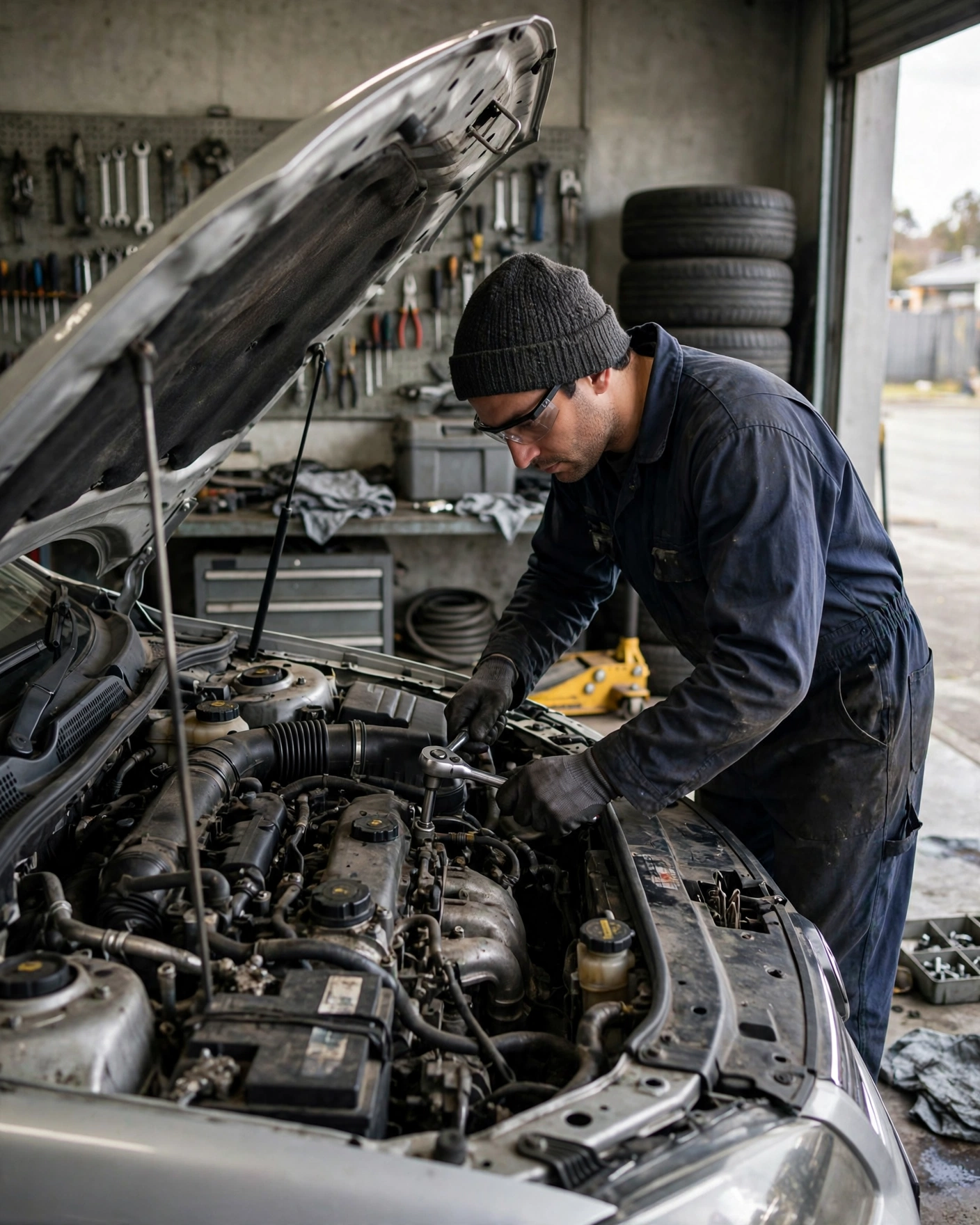
A mechanic in New Zealand works in a workshop, and the day is a mix of planned servicing and fault finding. A service starts with a check of the oil, filters, brakes, tyres, lights, and fluid levels, and a look underneath the car for wear and leaks. The mechanic changes what needs changing, notes what will need work soon, and tells the customer what was done and what it cost.
Fault finding is the part of the job that calls for clear thinking. A customer says the car makes a noise when it turns, or the engine light came on, or the brakes feel soft. The mechanic has to find the cause, and the cause is not always where the noise seems to come from. Mechanics use scan tools to read fault codes, test parts, and check the vehicle on a hoist, and a good mechanic tests one thing at a time and does not replace parts at random.
Mechanics in New Zealand work on many kinds of vehicles. Some workshops look after cars and utes for families and small businesses. Others look after trucks, vans, and fleets for transport and delivery firms. Diesel mechanics work on trucks and heavy vehicles, and some workshops specialise in one brand. A mechanic who can work on more than one kind of vehicle has more options.
The workshop is a busy place, with hoists, toolboxes, tyre machines, and diagnostic gear. Mechanics wear work boots, overalls, and gloves, and they keep the work area safe, because a workshop has heavy parts, hot engines, and vehicles up on hoists. Hours are usually a full working week, with some Saturday work in retail workshops.
Where to find real mechanic jobs in New Zealand
The best place to start is Seek New Zealand, which carries the most automotive and mechanic listings in the country. Search for mechanic, automotive technician, or diesel mechanic, and read the listing in full before you apply. Trade Me Jobs is the second place to check, and it often lists the same roles from workshops and dealerships.
Mechanic firms hire in every main centre, including Auckland, Hamilton, Tauranga, Wellington, and Christchurch. Smaller towns have local workshops that serve the whole district. Dealerships list roles for mechanics who know their brand. Independent workshops list roles for mechanics who can work on many brands. Fleet and transport firms hire diesel mechanics for their trucks, and they often list several roles at once. Recruitment agencies that place trades workers are another way in. They can be useful if you are new to the trade.
When you search, check what kind of mechanic the role needs. A listing might ask for a light vehicle mechanic, a diesel mechanic, or an automotive technician, and each one is a different job. Check whether the listing says the role is full time, and whether it mentions a brand, a workshop, or fleet work. A real listing names the firm, the region, and the kind of mechanic work involved.
What employers usually ask for
The main thing a workshop looks for is a mechanic who can find a fault and fix it properly. The vehicle needs to get back to the customer on time. Experience counts, and a workshop wants to see work you have done, with references from a past employer. A trade qualification in automotive engineering helps a lot. Workshops often ask for it, or for proof that you are working towards one.
A clean driving record matters, because mechanics test drive cars and move vehicles around the workshop and the yard. Some workshops ask for a full licence, and fleet and truck workshops may ask for a heavier licence class.
Employers look for people who are careful, honest, and good with customers. A mechanic has to explain a fault in plain language, tell the customer what it will cost, and do only the work that was agreed. A workshop trusts a mechanic who records the work properly and tells the boss when a job will take longer than expected. Be honest about your experience and the vehicles you know best, because a workshop will find out quickly once you are on the hoist.
How pay is described in a listing
Pay for mechanic jobs in New Zealand is usually listed per hour. Some roles list a yearly salary for a full time role. The rate changes by region, by the workshop, and by your experience and qualification. A real listing states the hourly rate clearly, or it says the rate is discussed at interview.
Read the listing for how pay is described. A listing that promises very high pay for very little work is a warning sign. Watch out when it has no firm name and no region. Never pay for a job, a certificate, a uniform, or a visa before you have a written offer. A real workshop pays you for your work, and it never asks you to pay to start work.
The visa question, honestly
People who already have the right to work in New Zealand usually do mechanic work there. That includes citizens, residents, and people on work visas that allow trade work. The rules depend on your visa type, your age, and your experience.
If you are outside New Zealand and want to work as a mechanic, be careful. Watch out for anyone who promises you a mechanic job and a visa for a fee. A real employer never asks you to pay for a job or a visa. Check the official immigration website for the visa you would need. Check that the employer and the workshop are real before you send documents or pay anything.
How to apply, step by step
Step 1: Get your documents ready
Gather a short resume that lists your mechanic experience and the vehicles you have worked on. Add any trade qualification you hold. Add references from a past employer if you have them. Have your work visa or proof of the right to work in New Zealand ready. Keep copies of any trade certificates and your driving licence.
Step 2: Search Seek and Trade Me Jobs for mechanic jobs New Zealand wide
Search Seek New Zealand and Trade Me Jobs for mechanic and the region you want to work in. Read each listing in full. Check the firm name, the region, the kind of mechanic work, and whether the role is full time or an apprenticeship. Apply only to listings that name the employer and the firm.
Step 3: Write a short, specific application
Keep your resume to one or two pages. Put your mechanic experience at the top. Say clearly which region you can work in and when you can start. Mention the vehicles you know best, such as cars, utes, trucks, or diesel engines. Do not copy the job ad word for word.
Step 4: Prepare for a practical interview
Expect questions about jobs you have done and how you found a fault. Expect questions about how you handled a vehicle that had more than one problem. Some workshops ask for a short trial in the workshop. Answer with examples from your own experience.
Step 5: Check the offer before you accept
Read the offer before you sign. Look at the pay, the hours, and the region. Check whether Saturday work is part of the role, and whether tools are provided or you need your own. Note what the workshop expects on overtime and on call work. If anything in the offer is different from what the listing promised, ask about it before you sign.
Diagnostics and the WOF: two skills that set a mechanic apart
Two parts of mechanic work in New Zealand deserve a closer look, because they shape how a workshop judges a mechanic. The first is diagnostics. Modern cars and trucks are full of sensors and computers, and a fault can sit in the wiring, a sensor, or the engine computer itself. A scan tool reads the fault codes, and the codes point to where the problem might be, and the mechanic still has to test the parts and find the real cause. A mechanic who can read codes, test a sensor, and follow a wiring diagram is worth more than a mechanic who only changes parts and hopes.
Diagnostics is learned by doing it, and by keeping up with new vehicles. Workshops look for mechanics who have used scan tools, who can talk through how they found a fault, and who keep learning as cars change. If you have used diagnostic gear, say so in your application, and give an example of a fault you found and fixed.
The second is the WOF, the warrant of fitness. In New Zealand, most light vehicles need a regular warrant of fitness check, and the check looks at tyres, brakes, lights, steering, suspension, and the structure of the vehicle. Some workshops are WOF agents, and their mechanics carry out the checks. A mechanic who can do WOF inspections needs to know the rules well, check each item in the right order, and record the result properly.
A WOF inspector has to be fair and consistent, and that takes training and care. If a workshop asks for WOF experience, say clearly whether you have done inspections before. If you have not done WOF work, a workshop may still hire you for servicing and repairs, and train you on inspections later.
What to avoid
Skip any listing that has no firm or employer name, no region, and only a phone number or messaging app. Never pay for a job, a certificate, a uniform, or a visa before you have a written offer. Keep your passport number and bank details to yourself until you have verified the employer. Turn down any role that asks you to work without the visa your situation needs, because that is not allowed in New Zealand. Never sign off work you have not checked, and never pass a vehicle that should have failed.
Frequently asked questions about mechanic jobs in New Zealand
Do I need a qualification to work as a mechanic in New Zealand?
Most workshops prefer a trade qualification in automotive engineering, and some roles need one. You can also start as an apprentice and train on the job, with study alongside your workshop work.
How much do mechanic jobs New Zealand wide pay?
Pay is usually listed per hour. It changes by region, by the workshop, and by your experience and qualification. Check the live listing for the rate, because it changes from employer to employer.
Can I apply for mechanic jobs New Zealand wide from overseas?
You can apply from overseas, and some workshops hire mechanics from other countries. You still need the right to work in New Zealand, so check the official immigration website before you apply.
What is a WOF?
A WOF is a warrant of fitness, a regular safety check for most light vehicles in New Zealand. It covers tyres, brakes, lights, steering, suspension, and the structure of the vehicle.
Do mechanics need their own tools?
Many workshops expect a mechanic to bring their own hand tools, and the listing should say so. Large gear such as hoists, tyre machines, and scan tools is usually provided by the workshop.
Related guides
Job804 shares job information and practical guides. Job804 is not an employer, not a recruitment agent, and does not guarantee a job, an interview, or a visa. Always check the live listing on Seek New Zealand or Trade Me Jobs. Check visa conditions on the official immigration website before you apply or pay for anything. Never pay for a job offer.
Last checked: 22 November 2026. Check the live listing before you apply.
