
Introduction
Rescue 1122 jobs attract a lot of attention in Pakistan, and the reason is simple. People see ambulances and fire trucks on the road every day, and many want a job that feels useful. A post in the emergency service sounds stable, respected, and close to home. That interest also brings a lot of rumours, forwarded messages, and fake advertisements.
Recruitment happens only through official advertisements. No Facebook page, WhatsApp group, or agent can open a post on your behalf. The live ad is the only reliable source for which posts are open, how many seats exist, and the last date. Anything you read before the ad appears is guesswork, and anything you read after the last date has passed is already useless.
This guide explains what Rescue 1122 work really involves, where real advertisements appear, what the service usually asks from applicants, and how to apply without falling for a scam.
What the jobs actually look like
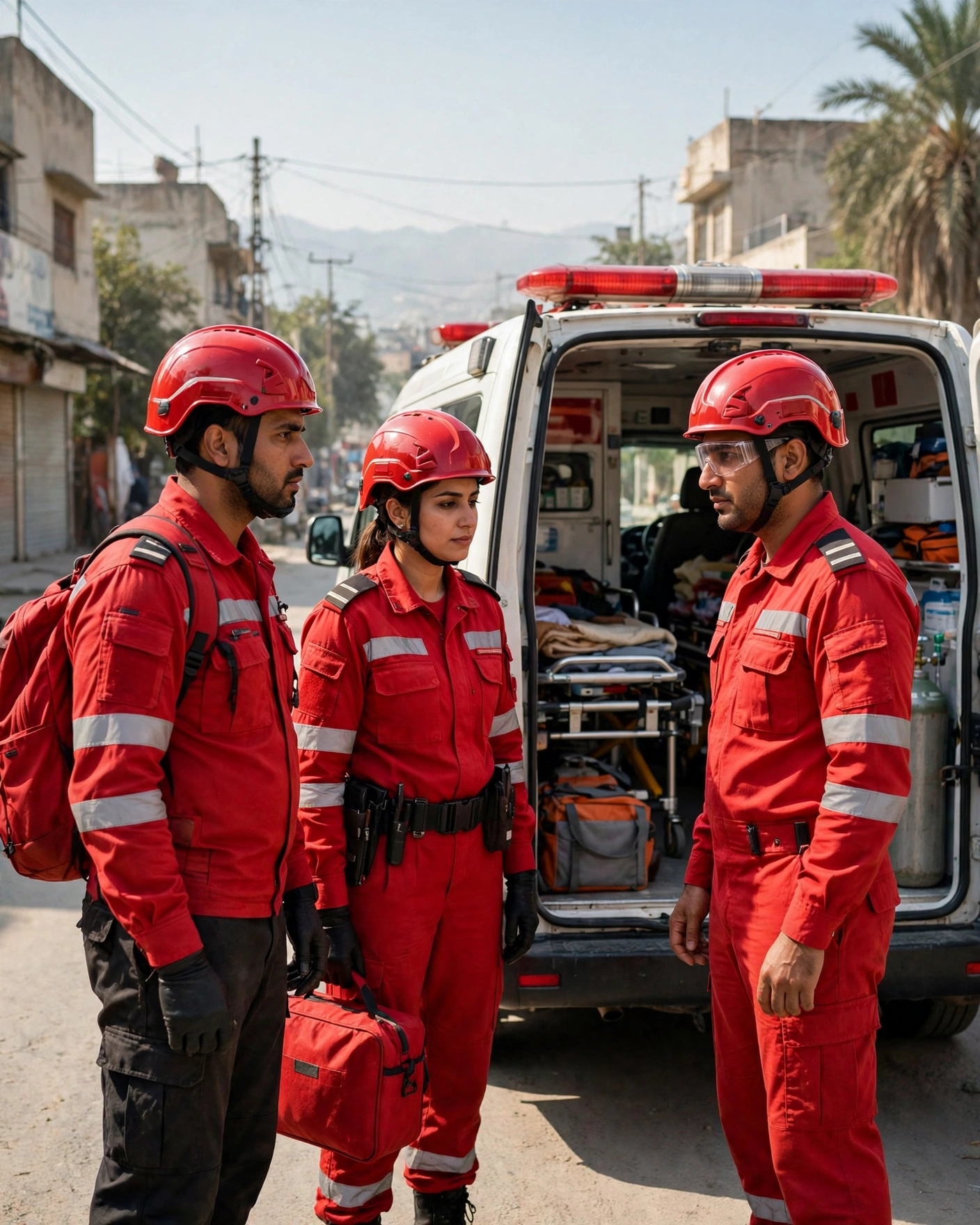
Rescue 1122 is an emergency service, not an office job. Staff respond to road accidents, fires, medical emergencies, and building collapses. Shifts run around the clock, including nights, weekends, and public holidays. Emergencies do not wait for office hours, so the work does not follow a normal nine to five routine.
Emergency medical technicians
Emergency medical technicians ride in ambulances and give first aid at the scene. They check a patient, stop bleeding, support breathing, and carry the patient safely to a hospital. Training teaches them how to handle a stretcher, use basic medical equipment, and stay calm when people around them are panicking. Physical fitness matters here because lifting and moving patients is part of every shift.
Fire rescuers
Fire rescuers deal with fires in homes, shops, factories, and vehicles. They wear protective gear, handle hoses and ladders, and work in heat and smoke. The job needs courage, but it needs discipline even more. A rescuer follows orders, checks equipment before every call, and never rushes into a burning building without a plan. Training covers fire behaviour, rescue knots, breathing apparatus, and safe evacuation.
Drivers and operators
Drivers move ambulances and fire vehicles through crowded streets at speed. They need a valid licence for the right vehicle class and a clean driving record. Operators handle control room calls, note the location and nature of each emergency, and send the nearest team.
The service structure and how it works
Rescue 1122 began in Punjab and grew into a model other provinces followed. Each province runs its own emergency service under its own law and budget, so the name, the posts, and the process can differ from one province to another. Always check which province an advertisement belongs to before you apply. A Punjab advertisement does not cover a Sindh station, and a Sindh advertisement does not cover a Punjab station.
Provincial setup
Punjab runs the Punjab Emergency Service, which most people still call Rescue 1122. Stations sit in districts and tehsils across the province, with a control room that takes calls on the 1122 helpline. Other provinces set up their own rescue services on a similar pattern, with their own headquarters, training centres, and district stations. An advertisement names the province, the district, and the station, so read those details before you decide a post suits you.
Emergency medical technician training
Selected candidates do not start work on day one. They go through training at a rescue training centre, where instructors teach first aid, patient handling, fire safety, swimming, and physical fitness. Training is residential in many cases, and it follows a strict daily routine. Candidates who fail the physical or written parts of training can lose their place, so the selection test is only the start. Treat training as a second test, and arrive fit and ready to learn.
Where to find real advertisements
Real Rescue 1122 advertisements appear in a small number of trusted places. Start with the official website of the Punjab Emergency Service, rescue.gov.pk. The site carries notices, press releases, and recruitment advertisements when posts open. Check the careers or notice section, and read the full advertisement as a PDF or image, not just a headline copied onto social media.
Official portals to check
Visit rescue.gov.pk first for Punjab posts. Other provinces publish through their own rescue service websites and their provincial government portals. A search on the provincial government website usually leads to the right page. Bookmark the official site and check it once or twice a week during the months when recruitment normally opens. Guessing the month from last year helps you plan, but it never proves a post is open this year.
National newspapers
Leading national newspapers still carry most government advertisements. Jang, Express, Nawa-i-Waqt, and Dawn publish job ads on their jobs pages, and the Sunday editions often carry the biggest ones. A newspaper advertisement gives the post names, the eligibility, the last date, and the address for applications. Keep the cutting or the online edition link, because it is your proof of what the ad actually said.
Why social media forwards are not proof
A screenshot of an advertisement proves nothing on its own. Anyone can edit a date, a post name, or a phone number in an image editor. Social media forwards often carry old advertisements with new dates pasted on top. Some carry the name of a real service and the phone number of a fraudster. Treat every forwarded message as a rumour until you find the same advertisement on the official website or in a newspaper you can check yourself.
What the department usually asks for
Every advertisement sets its own conditions, and those conditions change with the post. The points below describe what Rescue 1122 advertisements usually ask for. They do not replace the live ad. Read the ad line by line and match your own record against it before you spend money on documents or travel.
Education
Most field posts ask for at least a matric or intermediate certificate from a recognised board. Some technical posts ask for a diploma in a relevant field, and driving posts ask for a valid licence plus a basic education. Medical posts may ask for a nursing or paramedical qualification. Your certificate must be genuine and verifiable. A fake degree ends an application at once and can bring legal trouble.
Age limits
The advertisement states a minimum and maximum age for each post, and it also states whether age relaxation applies. Government service rules allow relaxation for certain categories, such as government employees or candidates from specific quotas, but the ad spells out who qualifies. Never assume you qualify for relaxation. Check the exact wording, and check whether the age counts on the last date of application or on another date named in the ad.
Physical and medical standards
Rescue work is physical, so most field posts carry physical standards. The ad may set a minimum height and chest measurement, and it may require a running test, push ups, or a swimming test. A medical board checks eyesight, hearing, and general fitness. Candidates with a serious medical condition may not pass, even if they pass the written test. Build your fitness over weeks, not days, and get a basic health check before you apply if you have any doubt.
Domicile and quota
Government posts in Pakistan usually carry a domicile condition. The ad names the districts or the province whose domiciled candidates may apply. Quotas for women, minorities, and persons with disabilities appear in many ads, and the ad explains how to claim them. A quota does not lower the physical or medical standard for a rescue post. It only reserves a share of seats for candidates who meet the same standard.
How to check the official ad before you apply
A careful check takes ten minutes and saves weeks of regret. Start on the official website. Search for the advertisement by the post name and the year, and open the PDF from the official domain. Compare the post names, the last date, and the application address with the version you saw in the newspaper or on social media. Any difference is a warning sign.
Read the eligibility table slowly. Note the education, age, domicile, and physical standard for the post you want. Mark any document the ad asks for, such as your CNIC, domicile, academic certificates, and photographs. Check whether the application goes by post, by hand, or through an online form.
How to apply
Step 1: Read the full advertisement
Download the advertisement from rescue.gov.pk or from the newspaper edition that carried it. Read every line, including the small print about age, domicile, and documents. Underline the last date and the method of application. If the ad gives an online link, open it yourself by typing the official address, not by clicking a link in a forwarded message.
Step 2: Gather your documents
Collect your CNIC, domicile certificate, academic certificates, experience letters if any, and recent photographs. Make attested copies where the ad asks for them. Check that the name and date of birth match across all documents. A mismatch can delay or end an application, so fix errors at the issuing office well before the last date.
Step 3: Fill the form carefully
Use the application form attached to the advertisement or the online form on the official website. Write in clear block letters if the form is on paper. Choose only the post you qualify for, and fill every column honestly. A wrong entry about education or age is not a small mistake. It can count against you at verification.
Step 4: Submit before the last date
Send the form by the method the ad names, and keep proof of submission. A courier receipt, a postal receipt, or a printed online confirmation all count as proof. Do not wait for the last day. Post delays, website traffic, and long queues at the submission office have ended many good applications. Aim to submit at least a few days early.
Step 5: Prepare for the test and keep your roll number safe
After the last date, the department publishes a list of eligible candidates and a test schedule. Check the official website for your name and roll number. Save the roll number slip and take your original CNIC to the test centre. Prepare for a written test, a physical test, and an interview, in the order the ad sets out. Keep checking the official site, because schedules can change.
What to avoid
Fake advertisements are the biggest danger in Rescue 1122 recruitment. Fraudsters copy the service logo, invent post names, and ask candidates to send money for a form, a test fee, or a guaranteed selection. A real government department never asks for money through a personal mobile wallet or a private bank account. Any fee goes through a named bank or an official challan, and the ad explains the exact method.
Avoid agents who promise a job in exchange for money. No agent can put your name on a merit list. A person who takes your money and disappears leaves you with no job and no refund. Report such people to the police or to the department, and warn others in your family and area.
Beware of fake call letters. A real call letter carries your name, roll number, test centre, date, and time, and it matches a list on the official website. A letter that arrives only as a WhatsApp photo, asks you to pay a fee to confirm your seat, or names a hotel room as a test centre is fake. Check the official list before you travel.
FAQ
Do Rescue 1122 jobs open every year?
Not always on a fixed date. Recruitment depends on vacant posts, the provincial budget, and approval from the government. The official website and national newspapers are the only reliable way to know when posts open.
Can I apply from another province?
It depends on the advertisement. A Punjab advertisement usually asks for a Punjab domicile, and other provinces set their own domicile rules. Read the domicile column for your post before you apply. An application from the wrong province is rejected at the first check, however strong the candidate.
What education do I need for an emergency medical technician post?
The advertisement sets the education for each post, and it can change between advertisements. Many technician posts ask for a science background at intermediate level or a paramedical qualification. Read the live ad for the exact requirement, and do not rely on what a friend applied with in an earlier year.
Is there a physical test for Rescue 1122?
Yes, most field posts include a physical test. The ad lists the exact events, such as running, push ups, or swimming, and the standard for each. Candidates who fail the physical test do not move to the next stage, even with a strong written result. Train in advance and practise the exact events named in the ad.
How do I know if an advertisement is fake?
Check the official website first. A real advertisement appears on rescue.gov.pk or in a national newspaper you can verify. A fake one appears only on social media, carries a mobile number for payment, or promises a guaranteed job. When in doubt, visit the nearest rescue station or call the official helpline and ask.
Related guides
Job804 shares job information and practical guides. Job804 is not an employer, not a recruitment agent, and does not guarantee a job, an interview, or a selection. Always check the live ad on the official website before you apply or pay for anything. Never pay for a job offer.
Last checked: 28 November 2026. Check the live ad before you apply.
