
Introduction
Factory jobs in Canada are steady, year round roles that suit people who want regular hours and do not mind physical work. Factories across the country hire workers for food processing, car parts, packaging, and general production. The work is not glamorous, but it is honest, and it is one of the few entry level roles in Canada where reliability matters more than a qualification.
This guide explains what factory work in Canada actually involves, what employers usually ask for, where to find real listings, and how to apply safely. It is written for job seekers, and it does not promise a job, a visa, or sponsorship.
What factory work in Canada actually looks like
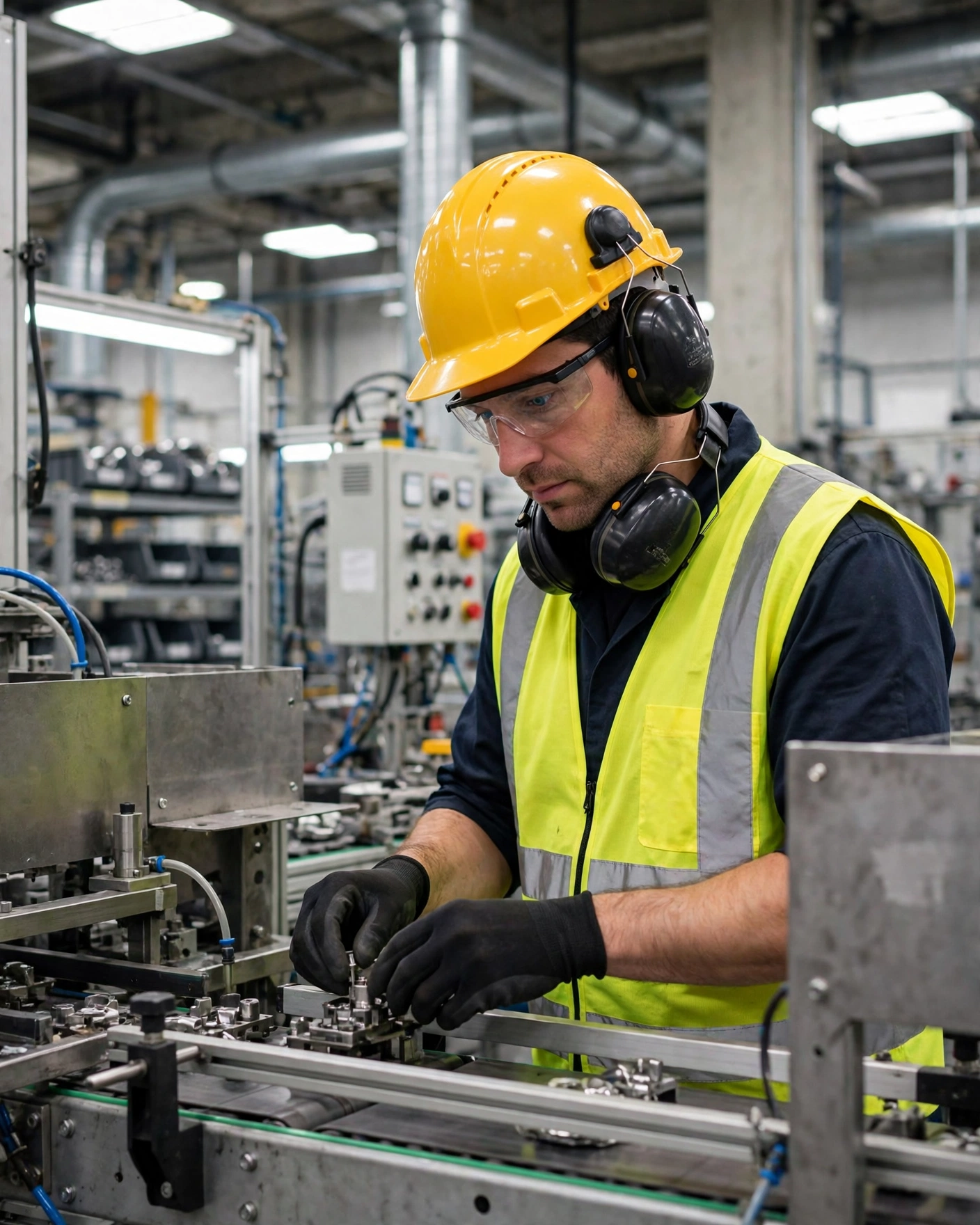
A factory worker’s day depends on the factory. On a production line, you do the same task, at the same station, for a full shift: assembling parts, packing products, or checking quality. In food processing, the work is washing, cutting, packing, and cleaning, and the factory is cold. In a warehouse attached to a factory, the work is loading, unloading, and moving pallets with a forklift or a pallet jack.
Most factory roles are shift work. A factory that runs 24 hours needs workers at night and on weekends. Some factories run three shifts, so night and weekend work is normal. The work is physical: standing, walking, bending, and lifting for a full shift. You need to be comfortable working in a noisy factory, wearing safety gear, and following strict safety rules.
The hardest part is not the physical work. It is the routine. The same task, the same station, every day. A worker who is reliable, careful, and willing to follow the safety rules is a worker a factory wants to keep.
Where to find real factory jobs in Canada
The best place to start is Job Bank, the official Government of Canada job site. Job Bank lists factory roles from employers across the country, and every listing shows the employer name, the location, and the requirements. Indeed Canada is the second place to check. Search for factory worker or production worker and the city you want to work in, and read the listing in full before you apply.
Recruitment agencies also hire factory workers. Agencies like Randstad, Adecco, and Manpower list factory roles by city, and they place workers in factories on short and long term contracts. If a listing is on an agency website, check that the agency is real before you apply. A real agency has a website, a street address, and reviews from workers. A fake agency asks you to pay a fee before you have a written offer.
When you search, use the city as well as the role. Factory jobs in Toronto, Montreal, and Vancouver are the most common, but they also have the most applicants. Smaller cities often have fewer applicants, and some employers in those cities provide training.
What employers usually ask for
The first thing an employer asks for is the right to work in Canada. Most factory roles are for people who already have work rights, such as citizens, permanent residents, and people on open work permits. A work permit is needed for most factory roles, and the employer will ask for proof before you start.
Employers also look for physical fitness, because the work involves standing, walking, and lifting for a full shift. Previous factory experience helps, but many employers hire workers with no experience and train them on the job. What matters more is attitude: turning up on time, working steadily, and following safety rules.
Some roles ask for a forklift licence, and some provide the training after you are hired. A forklift licence is the single most useful thing a factory worker can hold, because it opens better paid roles in the factory. If you hold a forklift licence, put that at the top of your resume. If you do not, ask the employer whether they provide the training.
How pay is described in a listing
Pay for factory jobs in Canada is usually listed per hour. The rate changes by province, by city, and by the type of factory. A worker in a food processing plant is usually paid differently from a worker in a car parts factory. Night shifts and weekend shifts usually pay more than day shifts, but check the listing for the exact arrangement, because it changes from employer to employer.
Read the listing for how pay is described. A real listing states the hourly rate, or it says the rate is discussed at interview. A listing that promises very high pay for very little work, with no employer name and no location, is a warning sign. Never pay for a job, a training course from an unknown provider, or a uniform before you have a written offer.
The visa question, honestly
Factory work is not usually a sponsored role in Canada. Most employers hire people who already have the right to work in Canada, such as citizens, permanent residents, and people on open work permits. A factory job alone is rarely enough to get a work permit from outside Canada, and the process is long.
If you are outside Canada and want to work in a factory, be careful with anyone who promises you a factory job and a visa for a fee. A real employer never asks you to pay for a job or a visa. Check the official immigration website for the visa you would need, and check that the employer is real before you send documents or pay anything.
How to apply, step by step
Step 1: Get your documents ready
Get a one page resume that lists your work history and any factory or physical work experience. If you hold a forklift licence, put that at the top. Have your work permit or status details ready, because employers will ask.
Step 2: Search properly on Job Bank and Indeed
Search Job Bank and Indeed Canada for factory worker or production worker and the city you want to work in. Read each listing in full. Check the employer name, the location, the hours, and whether a forklift licence is needed. Apply only to listings that name the employer and the factory.
Step 3: Write a short, specific application
Keep your resume to one page. Put your availability and your work rights at the top. Mention any experience in factory work, physical work, or shift work. Do not copy the job ad word for word. Write in your own words, and say clearly which city you can work in and which shifts you can do.
Step 4: Prepare for a short interview
Factory interviews are usually short and practical. Expect questions about how you would handle a long shift, whether you can lift heavy items, and whether you can follow safety rules. Answer with examples from your own experience, even if that experience is from a different job.
Step 5: Check the offer before you accept
Read the offer before you sign. Check the pay, the hours, the shift pattern, and whether the role is full time, part time, or through an agency. Check whether the role is direct with the factory or through an agency, because that changes who pays you. If anything in the offer is different from what the listing promised, ask about it before you sign.
Night shift in a Canadian factory
Night shift is where many Canadian factory jobs live, and it is not for everyone. A night shift usually starts in the evening and ends in the early morning. Your sleep flips around, your meals move, and your days off feel different. Some people love the quiet of a night shift and the extra pay that usually comes with it. Night shifts usually pay more than day shifts, but check the listing for the exact arrangement, because it changes from employer to employer.
Safety matters more at night, not less. You are tired, the factory is quieter, and fewer people are around. Follow the induction, wear the gear, and speak up if you feel too tired to work safely. Ask the employer how the roster is set, how many nights run in a row, and how much notice you get for changes. A factory that plans its night roster well is a factory worth working for, and a factory that changes it every week is not.
What to avoid
Do not apply to a listing that has no employer name, no location, and only a phone number or messaging app. Never pay for a job, a forklift course from an unknown provider, or a uniform before you have a written offer. Avoid sending your passport number or bank details to an employer you have not verified. Refuse a role that asks you to work without the right visa, because that puts you at risk. If a listing promises very high pay for very little work, walk away.
Frequently asked questions about factory jobs in Canada
Do I need experience to work in a factory in Canada?
No. Many employers hire factory workers with no experience and train them on the job. Physical fitness, reliability, and a willingness to follow safety rules matter more than experience for entry level roles.
Do I need a forklift licence?
It depends on the role. Some roles need a forklift licence, and some provide the training after you are hired. A forklift licence opens better paid roles, so it is worth having if you plan to stay in factory work.
How much do factory workers earn in Canada?
Pay is usually listed per hour, and it changes by province, city, and factory. Night shifts usually pay more. Check the live listing for the rate, because it changes from employer to employer.
Can I get a sponsored visa as a factory worker in Canada?
Usually not. Most employers hire people who already have the right to work in Canada, such as citizens, permanent residents, and people on open work permits.
What is the difference between a factory worker and a production worker?
They are the same role. Production worker is the term most Canadian listings use. Factory worker is the term many job seekers search for.
Related guides
- Construction Worker Jobs in Canada 2026
- Warehouse Jobs in Canada 2026
- How to Write a CV for Cleaning, Housekeeping, and Farm Jobs
Job804 shares job information and practical guides. Job804 is not an employer, not a recruitment agent, and does not guarantee a job, an interview, or a visa. Always check the live listing on Job Bank or Indeed Canada, and check visa conditions on the official immigration website before you apply or pay for anything. Never pay for a job offer.
Last checked: 17 November 2026. Check the live listing before you apply.
