
Introduction
Chef jobs in New Zealand are hands on kitchen roles that suit people who like cooking, working fast under pressure, and feeding people well. Chefs work in restaurants, cafes, hotels, lodges, and catering kitchens from Auckland to Queenstown, and the work covers everything from a busy lunch service to a fine dining dinner.
This guide explains what chef work in New Zealand actually involves, what employers look for, where to find real listings, and how to apply safely. It is written for job seekers, and it does not promise a job, a visa, or sponsorship.
What chef work in New Zealand actually looks like
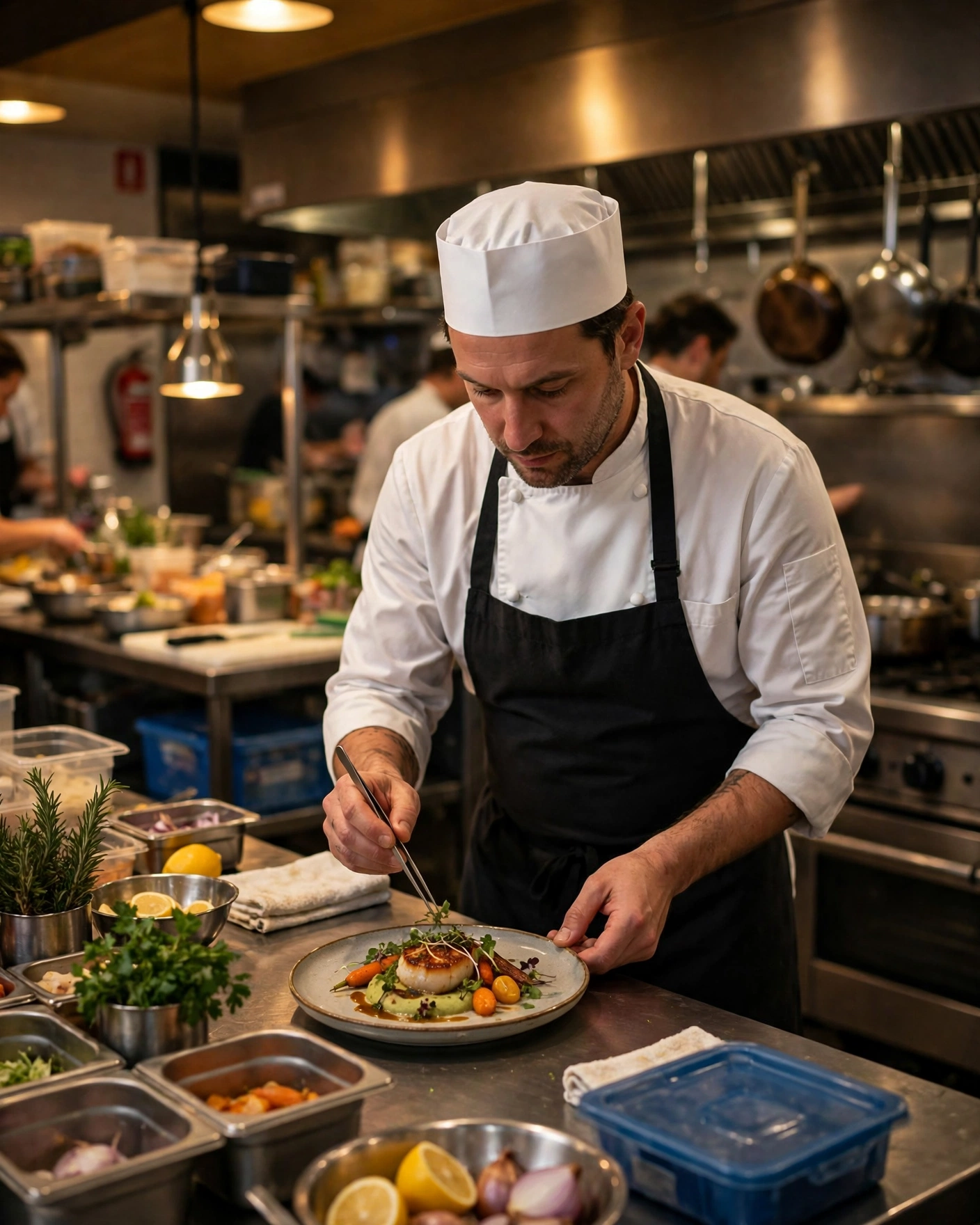
A chef day starts with prep. The chef checks the orders, prepares sauces and stocks, cuts vegetables, portions meat and fish, and sets up the section for service. When service starts, the pace changes. Orders come in fast, the chef works the pass or a station, and the kitchen has to stay calm, clean, and on time.
The work changes with the kitchen. Cafe chefs cook breakfast and lunch, with a short menu and a fast turn. Restaurant chefs work a lunch and a dinner service, with a longer menu and more plating. Hotel chefs cook for the restaurant, for room service, and for functions and weddings. Lodge and ski field chefs cook for guests who stay for days, so the menu changes with the season and the guests.
New Zealand kitchens use a lot of local produce, lamb, beef, seafood, and dairy. A chef who knows how to cook with seasonal produce does well, because the menu changes through the year. The hours are often long, with evenings and weekends, and split shifts are common in restaurants and hotels. The kitchen is hot, busy, and loud, and a chef who stays organised and keeps the bench clean is the one the team wants beside them.
Where to find real chef jobs in New Zealand
The best place to start is Seek New Zealand, which carries the most hospitality and kitchen listings in the country. Search for chef, sous chef, or head chef, and the city or region you want to work in, and read the listing in full before you apply. Trade Me Jobs is the second place to check, and it often lists the same roles from restaurants, hotels, and catering companies.
Large hotels and restaurant groups hire chefs directly through their own websites and careers pages, and they often list several roles at once. Hospitality recruitment agencies place chefs on short and long term roles, which can be a good way to start if you are new to a city and want to try different kitchens. In tourist towns such as Queenstown and Rotorua, lodges and hotels hire chefs for the season, and they often say so in the ad.
When you search, check what kind of chef the listing asks for. A commis chef is a junior role, a chef de partie runs a section, a sous chef is second in charge, and a head chef runs the kitchen. Check whether the role is full time or part time, what the roster looks like, and whether the kitchen is a restaurant, a hotel, or a catering business.
What employers usually ask for
The first thing an employer asks for is cooking experience in a real kitchen, with a reference from a past employer. A chef qualification helps, and many employers want a cookery certificate or a diploma, but experience in a busy kitchen is what matters most. A chef who has worked a section, kept up with a service, and kept food safety standards is the one who gets the job.
The second thing is food safety and hygiene. Employers look for chefs who understand food safety, who keep the kitchen clean, and who follow the rules for storing and handling food. A food safety certificate helps, and some employers ask for it before you start. Speed matters too, because a service does not wait, but speed without quality is not useful.
Employers also look for a valid work visa or the right to work in New Zealand, and they will ask to see it before you start. They want chefs who are reliable, honest about their hours, and willing to work evenings and weekends. A chef who turns up on time, keeps the section clean, and helps the team gets asked back, because a kitchen runs on people it can trust.
How pay is described in a listing
Pay for chef jobs in New Zealand is usually listed per hour, or as a yearly salary for a full time role. The rate changes by city, by the type of kitchen, and by your experience and seniority. A head chef earns differently from a commis chef, and a hotel chef earns differently from a cafe chef. A real listing states the rate clearly, or it says the rate is discussed at interview.
Read the listing for how pay is described. A listing that promises very high pay for very little work, with no restaurant or hotel name and no city, is a warning sign. Never pay for a job, a certificate from an unknown provider, a uniform, or a visa before you have a written offer. A real restaurant pays you for your work, and it never asks you to pay to start cooking.
The visa question, honestly
Chef work in New Zealand is usually done by people who already have the right to work in New Zealand, such as citizens, residents, and people on work visas that allow kitchen work. The rules depend on your visa type, your age, and your experience, and they change from time to time.
If you are outside New Zealand and want to work as a chef, be careful with anyone who promises you a chef job and a visa for a fee. A real employer never asks you to pay for a job or a visa. Check the official immigration website for the visa you would need, and check that the employer and the restaurant or hotel are real before you send documents or pay anything. Do not pay anyone who says they can speed up a visa for a fee.
How to apply, step by step
Step 1: Get your documents ready
Gather a short resume that lists your kitchen experience, the sections you have worked, and the restaurants or hotels you have worked in, and add references from a past employer if you have them. Have your cookery qualification ready if you hold one, along with any food safety certificate. Have your work visa or proof of the right to work in New Zealand ready.
Step 2: Search properly on Seek and Trade Me Jobs
Search Seek New Zealand and Trade Me Jobs for chef and the city or region you want to work in. Read each listing in full. Check the restaurant or hotel name, the seniority of the role, the roster, and whether evenings and weekends are part of it. Apply only to listings that name the employer.
Step 3: Write a short, specific application
Keep your resume to one or two pages. Put your kitchen experience at the top, and say clearly which city you can work in and when you can start. Mention the sections you have run, the cuisines you know, and the size of the kitchens you have worked in. Do not copy the job ad word for word. Write in your own words, and be honest about your experience.
Step 4: Prepare for a practical interview
Chef interviews are often short and practical. Expect questions about your experience, how you handle a busy service, and how you keep food safety standards. Some kitchens ask for a trial shift, where you cook on a section for a service. Answer with examples from your own experience, and be honest about what you can do.
Step 5: Check the offer before you accept
Read the offer before you sign. Check the pay, the hours, the roster, the kitchen, and whether the role is full time or part time. Check whether the role is a junior or a senior role, and what that means for your duties. If anything in the offer is different from what the listing promised, ask about it before you sign.
What to avoid
Skip any listing that has no restaurant or hotel name, no city, and only a phone number or messaging app. Never pay for a job, a certificate, a uniform, or a visa before you have a written offer. Keep your passport number and bank details private until you have verified the employer. Turn down any role that asks you to work without the visa your situation needs, because that is not allowed in New Zealand. If a listing promises very high pay for very little work, walk away.
Frequently asked questions about chef jobs in New Zealand
Do I need a qualification to work as a chef in New Zealand?
A cookery certificate or diploma helps, and many employers ask for one, but experience in a busy kitchen matters most. A chef with a good reference and real service experience is the one who gets hired.
What is the difference between a commis chef and a chef de partie?
A commis chef is a junior role, learning the kitchen and helping on a section. A chef de partie runs a section, such as grill or pastry, and is responsible for that part of the service.
How much do chefs earn in New Zealand?
Pay is usually listed per hour or as a yearly salary, and it changes by city, by the type of kitchen, and by your seniority and experience. Check the live listing for the rate, because it changes from employer to employer.
Do chefs in New Zealand work evenings and weekends?
Yes, most chef roles include evenings and weekends, because that is when restaurants and hotels are busiest. The listing should say what the roster looks like.
Can I work as a chef on a working holiday visa?
Working holiday visa holders often take hospitality and kitchen work. Check the conditions of your visa first, because the rules depend on your visa type and your country.
Related guides
Job804 shares job information and practical guides. Job804 is not an employer, not a recruitment agent, and does not guarantee a job, an interview, or a visa. Always check the live listing on Seek New Zealand or Trade Me Jobs, and check visa conditions on the official immigration website before you apply or pay for anything. Never pay for a job offer.
Last checked: 21 November 2026. Check the live listing before you apply.
