
Introduction
Fruit picking jobs Germany attract seasonal workers from across Europe and beyond, and the harvest season brings thousands of people to German farms every year. Germany grows strawberries, cherries, apples, plums, raspberries and asparagus, and each crop has its own harvest window. The work is outdoors, physical and straightforward, and most farms train new pickers on the job. You do not need farming experience to start, though fitness and reliability matter a great deal.
Germany is a strong option for seasonal workers because the harvest is well organised. Farms recruit through official channels, the Federal Employment Agency lists seasonal roles, and the rules around pay and working conditions are clear. The season can last a few weeks for a single crop, or several months for workers who move between crops.
What Fruit Picking Work Actually Looks Like
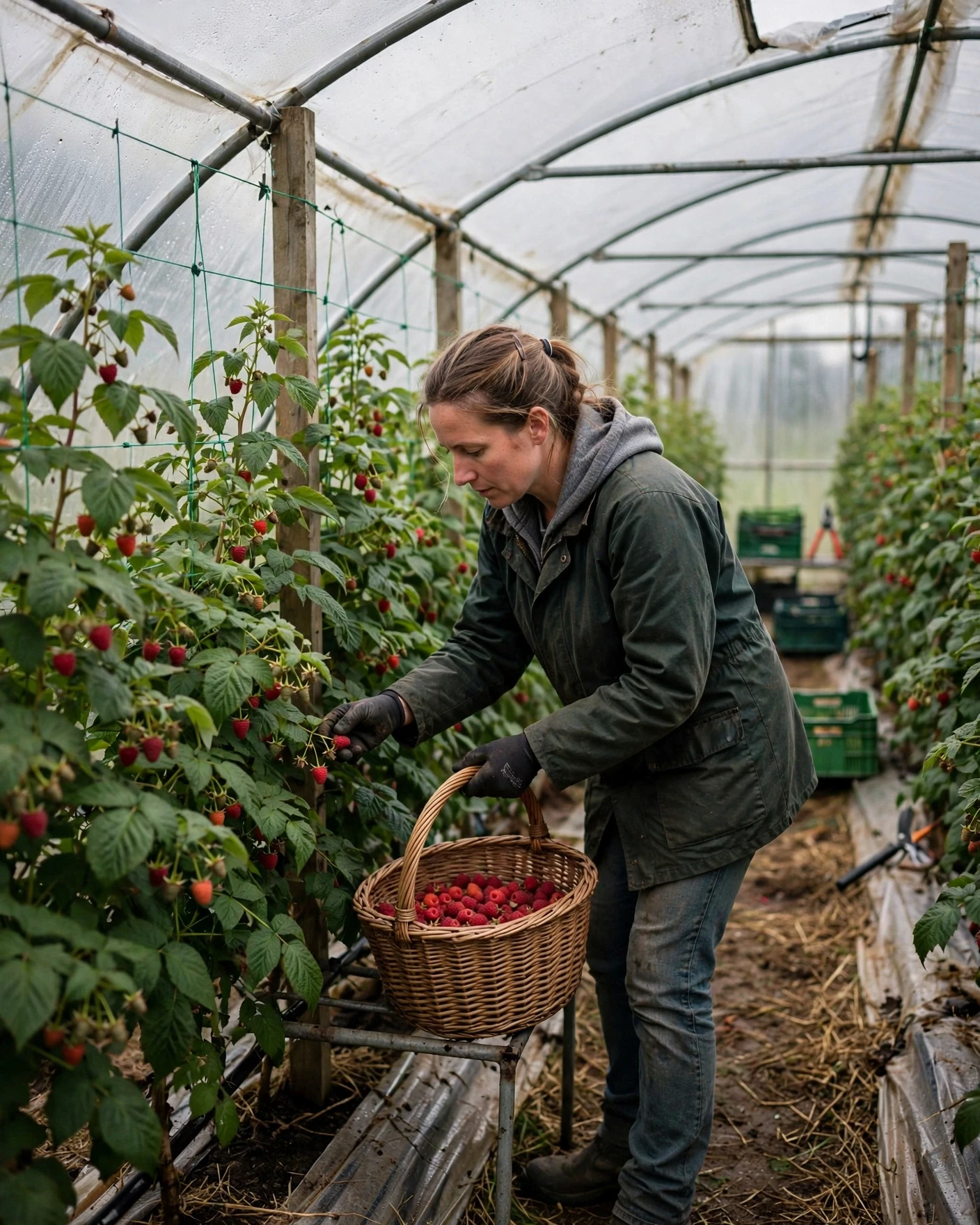
Fruit picking jobs Germany are hands-on, outdoor jobs, and a typical day starts early in the morning. Pickers walk the rows with a basket, tray or bucket, take ripe fruit from the plants or trees, and place it gently into the container. Soft fruit bruises easily, so the technique matters. Strawberries, raspberries and cherries need a light touch, and pickers learn to judge ripeness by colour and feel. Supervisors check quality through the day, and new pickers usually get feedback in the first week.
Shifts usually run for most of the day, with breaks for water, food and rest. German summers can be warm, and rain can pause picking until the plants dry. Farms provide water and shaded rest areas, and supervisors watch the weather closely. Dress in layers so you can adjust through the day, and bring sturdy waterproof shoes for wet ground. Sunscreen and a hat are worth packing for sunny days in the fields.
Seasonal Work, the Language Question, and Asparagus and Berry Harvests
Germany has a clear seasonal rhythm, and understanding it helps you plan your trip.
The Seasonal Harvest Calendar
The German harvest starts in spring with asparagus, which is one of the most famous seasonal crops in the country. Asparagus cutting runs through spring and into early summer, and farms need large teams for a short, intense season. Strawberries follow, with the main harvest in early summer. Cherries ripen in summer, and apples, plums and pears follow in late summer and autumn. Workers who plan well can move from asparagus to strawberries to apples, staying busy for months. Workers who prefer a shorter stay can choose one crop and work for a few weeks.
Asparagus and Berry Harvests
Asparagus is unusual work. Cutters walk the raised beds, find the spears pushing through the soil, and cut them by hand with a special knife. Cutters work bent over or kneeling, and the work is physically demanding. Workers pick strawberries from low plants, often from raised beds that make the work easier on the back. Raspberries grow on canes, and pickers pick them by hand into small punnets. Each crop has its own pace and its own technique, and farms train new workers for each one. Berry harvests are popular with first-time pickers because the work is simple to learn and the fruit is rewarding to handle.
The Language Question
Language is the question every international worker asks about Germany, and the honest answer is that it depends on the farm. Many seasonal farm teams are international, and supervisors often speak English as well as German. Basic German helps a lot, even a few phrases for greetings, numbers and simple instructions. It makes daily life easier, from shopping to talking with your team, and it shows the employer you are serious about the season. You do not need fluent German for most picking roles, but learning the basics before you travel is a smart move. Some farms provide instructions in several languages, and team leaders often translate for new workers. If a listing says German is required, take that seriously and check your level before you apply.
Where to Find Real Fruit Picking Jobs in Germany
Real fruit picking jobs Germany appear on official and major job portals, and those are the safest places to begin. The Federal Employment Agency portal, known as the Jobbörse, lists seasonal farm roles from employers across Germany. Listings there include the location, the duties, the pay description and the employer name, which makes it easier to judge whether a role is genuine. Indeed Germany carries a wide range of farm and harvest roles too, including jobs posted directly by growers and by recruitment agencies.
German farm associations and grower groups sometimes list harvest work on their own websites, especially in the main growing regions such as Lower Saxony, Bavaria and Baden-Württemberg. These can be useful, and they often link to the official listings. Local newspapers and community boards in farming towns also carry listings during harvest season. Those can be genuine, but they need more checking. Look for a business name, a clear location and a pay description before you respond.
Be careful with social media posts that advertise fruit picking in Germany with no employer name and no location. Genuine growers are happy to be named. A post that hides the business name, promises unusually high pay, or asks you to message a personal account for details should be treated with caution. Stick to the Federal Employment Agency portal and Indeed Germany for your main search, and use other sources only to support it.
What Employers Usually Ask for in Fruit Picking Jobs in Germany
Employers who post fruit picking jobs Germany usually keep their requirements practical. Physical fitness is the main one, because the work involves walking, bending, lifting and standing for long hours. Asparagus cutting and strawberry picking both demand a strong back and knees, so you should be comfortable with bending and kneeling through the day.
Experience is rarely required, and most farms train new pickers on the job. A driver’s licence is useful in rural areas where public transport is limited, and it can help you reach farms that sit outside town. Some farms offer transport from a meeting point, and shared accommodation is often available nearby. If you have a licence, mention it in your application.
Reliability is the quality growers value most. Harvest plans depend on the workers who are there, so turning up on time every day and finishing the season you agreed to builds a strong reputation. Supervisors often invite reliable pickers back the following year, and a good reference from a German farm can open doors to other seasonal work. Basic German helps, and basic English is often enough on international teams. A positive attitude and a willingness to follow safety instructions complete the picture.
How Pay Is Described for Fruit Picking Jobs in Germany
Employers usually describe pay for fruit picking jobs Germany as an hourly rate or a piece rate, and the listing should state which one applies. An hourly rate pays the same amount for each hour worked, whatever the pace. A piece rate pays based on how much you pick, often measured by the crate, kilo or row. Piece rates reward fast and careful pickers, but they take time to learn, and new workers may earn less while they build speed.
Germany has a statutory minimum wage, and a legitimate employer will explain the pay structure before you start. Read the listing closely and ask the employer to explain the pay calculation if the description is unclear. The listing or the employment agreement should explain overtime and weekend rules. Employers usually pay monthly, and you should receive a pay slip showing hours worked and the rate applied.
The Visa Question for Fruit Picking Jobs in Germany
The visa question matters for anyone searching for fruit picking jobs Germany from outside the European Union, and it needs an honest answer. Citizens of EU countries can work in Germany without a visa, and seasonal farm work is open to them. Workers from outside the EU need a visa or permit that allows seasonal work, and the rules depend on nationality and on the type of work.
Germany has official routes for seasonal workers, and farms that hire from outside the EU usually work through those channels. The employer often handles part of the paperwork, but you should still understand your own status. Check the rules on the official German immigration website or the website of the German embassy in your country before you apply. Never rely on a recruiter or a social media post for visa advice.
Sponsorship for fruit picking is limited. Most picking roles are short-term and seasonal, and employers rarely sponsor a visa for a picking role alone. Be careful with anyone who promises visa sponsorship or a guaranteed work permit for a picking job in exchange for a fee. That promise is a common trick used by scammers. A genuine employer will explain the official process and will not ask you to pay for a job offer.
How to Apply for Fruit Picking Jobs in Germany
Step 1: Choose Your Crop and Timing
Pick a crop and a harvest window that suits you. Asparagus runs in spring, strawberries in early summer, cherries in summer, and apples in late summer and autumn. Check when the harvest runs in your chosen region so you arrive when work is available.
Step 2: Search the Federal Employment Agency Portal and Indeed Germany
Search the Federal Employment Agency portal and Indeed Germany for fruit picking roles in your chosen region. Read each listing in full, note the pay structure, the hours, the start date, and whether accommodation or transport is mentioned. Save the listings that fit your plans and ignore any that hide basic details.
Step 3: Prepare a Simple CV
Put together a short CV with your name, contact details, any farm or physical work experience, your work status or visa type if relevant, and whether you hold a driver’s licence. Keep it to one page. Employers read many applications, so clear and honest beats long and fancy. A few lines in German at the top of your CV can help if you know the language.
Step 4: Apply and Follow Up
Apply through the portal where the job is listed, and follow the instructions in the listing exactly. Some employers ask for an email application with your CV attached. If a week passes with no reply and the role is still listed, a polite follow-up message is reasonable.
Step 5: Confirm the Details Before You Travel
Before you travel to a farm, confirm the start date, the meeting point, the pay rate, the hours, and the accommodation arrangements in writing. Keep a copy of the listing and any messages from the employer. Arrive with your ID, your work documents, sturdy shoes, layered clothing and enough money to cover your first week.
What to Avoid When Looking for Fruit Picking Jobs in Germany
Scams target seasonal farm workers every year, and fruit picking is no exception. Never pay for a job offer, a guaranteed placement, or a visa sponsorship. A real employer pays you for your work, not the other way around. Be wary of anyone who asks for money before you start, whether they call it a registration fee, a processing fee or a deposit.
Watch out for listings that promise very high pay for very little work, or that refuse to name the farm, the location or the employer. Genuine listings name the business and describe the work clearly. Avoid roles that ask you to work without a written contract or without a pay slip. Work with no records leaves you with no proof of employment and no protection if something goes wrong.
Frequently Asked Questions About Fruit Picking Jobs in Germany
Do I need experience for fruit picking jobs in Germany?
No, most farms welcome first-time pickers. Employers train new workers on the job, showing them how to pick without bruising the fruit and how to work safely. Fitness, reliability and a willingness to learn matter more than experience.
When is fruit picking season in Germany?
The season runs from spring to autumn, with different crops ripening in sequence. Asparagus comes first in spring, strawberries follow in early summer, cherries ripen in summer, and apples come in late summer and autumn.
Do I need to speak German for fruit picking jobs in Germany?
You do not need fluent German for most picking roles, and many farm teams are international. Basic German helps a lot with daily life and with the team, so learning a few phrases before you travel is a smart move. If a listing says German is required, check your level before you apply.
Is fruit picking paid by the hour or by the amount picked?
Both systems exist in Germany. Some farms pay an hourly rate, and others pay a piece rate based on how much you pick. The listing should state which system applies. Ask the employer to explain the rate before you start if the listing is unclear.
Where is the best place to find fruit picking jobs in Germany?
The Federal Employment Agency portal and Indeed Germany list farm and harvest roles across the country, and those are the safest starting points. German farm associations also list seasonal work, and local boards in farming towns carry listings during the season.
Related Guides
Job804 shares job information and practical guides. Job804 is not an employer, not a recruitment agent, and does not guarantee a job, an interview, or a visa. Always check the live listing on Seek, Indeed, or the employer official website, and check visa conditions on the official immigration website before you apply or pay for anything. Never pay for a job offer.
Last checked: 27 November 2026. Check the live listing before you apply.
