
Introduction
Factory jobs Japan attract thousands of overseas workers every year, and the reason is simple. For example, Japan makes things the world buys, from cars and electronics to packaged food and machine parts. Factories need reliable hands on the line, and many of them hire people from abroad. You do not need a university degree to start. Instead, you do need patience, care with detail, and a willingness to learn how a Japanese workplace runs.
This guide walks through factory jobs Japan in plain language: the daily work, where real listings appear, what employers ask for, how pay works, and what the visa question means. However, nothing here promises you a job. The aim is to help you search smarter and avoid the traps that catch new applicants.
What factory work in Japan actually looks like
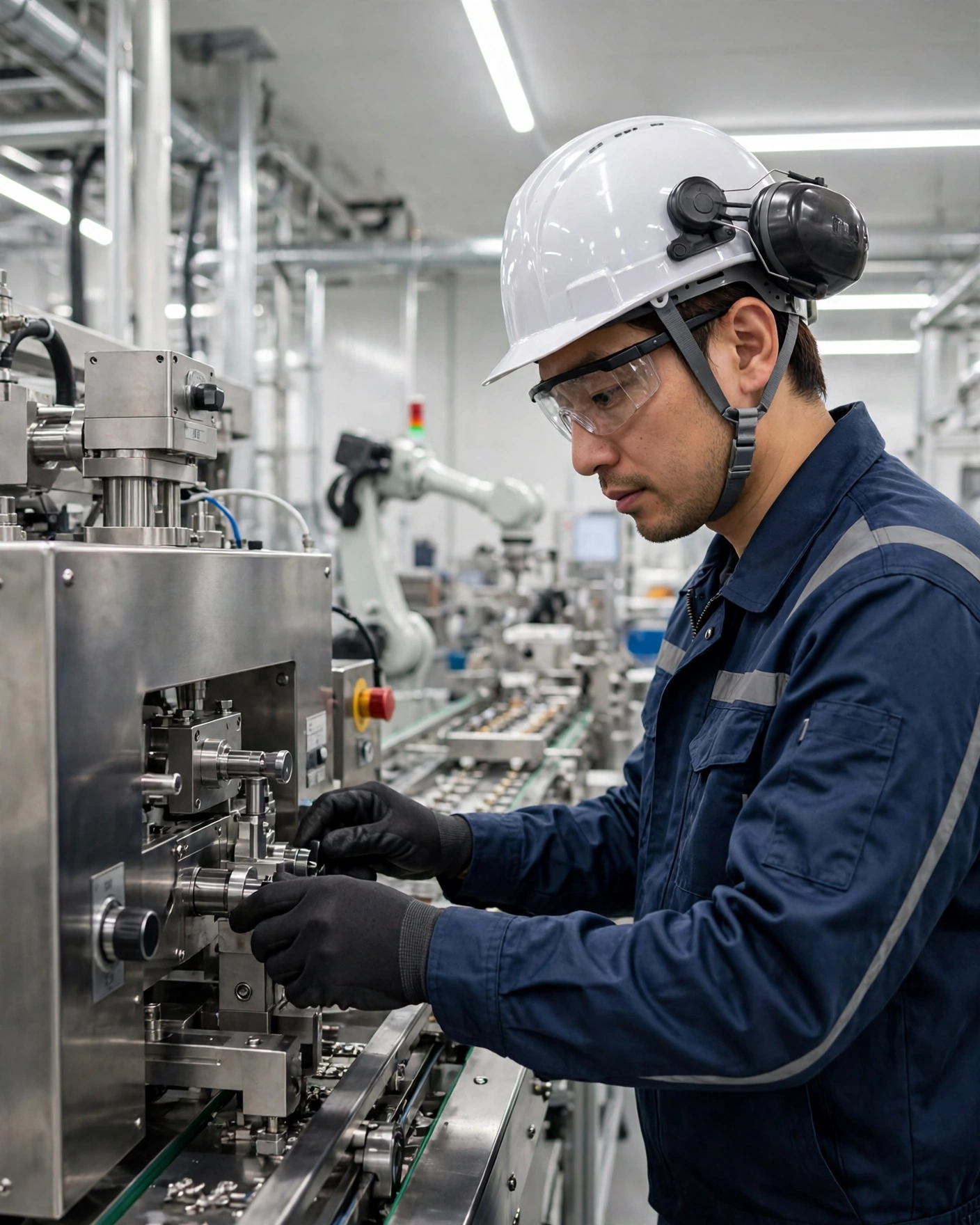
A factory job in Japan is indoor work with a clear routine. Most workers stand at a station on a production line. Your station has one task, and you repeat it to a set standard. One person might fit parts together. Another might check finished pieces for faults. Someone else packs boxes, labels them, and stacks them for dispatch. The work is steady rather than heavy, though some lines involve lifting, and some roles ask you to move between stations during a shift.
Electronics plants assemble small parts, circuit boards, and devices. Food processing plants wash, cut, cook, pack, and label food under strict hygiene rules. Car parts plants press, weld, paint, and assemble components that travel on to bigger assembly lines. Machine shops cut and shape metal. Each type of plant has its own pace, its own safety rules, and its own way of training new staff.
Quality sits at the centre of everything. Japanese factories measure mistakes carefully. A supervisor will show you the standard once, then watch you repeat it. Speed matters, but accuracy matters more. Workers who notice a small fault and raise it early earn trust fast. Workers who rush and hide mistakes do not last long.
Factory work culture in Japan, shift patterns, and the language question
How a Japanese factory floor feels
Japanese work culture rewards quiet reliability. Supervisors give short, clear instructions. Workers are expected to listen, watch, and copy the standard exactly. Questions are welcome, and asking before you guess is seen as smart, not weak. Talking on the line is kept short, because the line keeps moving.
Shift patterns you will meet
Most factories run two or three shifts. A day shift often runs from around 8 or 9 in the morning until 5 or 6 in the evening. An evening shift can run into the night. A night shift usually runs through the small hours and ends in the early morning. Some plants rotate shifts weekly, so your body clock has to adjust. Others keep you on one fixed shift for months at a time.
Overtime is common when orders are high. Extra hours are usually paid on top of the base rate, and the listing should say how overtime is handled. Rest days are usually one or two days a week, and the roster is set in advance. Public holidays may still be working days in a factory, so check the listing before you assume a day off.
The language question, answered honestly
You do not need fluent Japanese to start many factory jobs Japan listings, but you do need some Japanese. Most plants ask for basic conversational ability, enough to understand safety instructions, follow a supervisor, and read simple signs. Some listings ask for a Japanese Language Proficiency Test level, often N5 or N4 for entry roles. Higher levels open up better roles and better pay.
Hiragana and katakana matter more than kanji at the start. Safety signs, labels, and checklists often use them. Learning the two syllabaries before you arrive gives you a real head start. Numbers, colours, and common factory words come next. Words for stop, danger, hot, heavy, check, and finished appear every day.
Many plants now use pictures, colour codes, and translated sheets to help foreign workers. Some have interpreters or team leaders who speak English or another language. This help is real, but it is not a substitute for learning. Workers who study Japanese in their first months get picked for training, better stations, and longer contracts. Workers who rely only on translation stay stuck at the same station.
Where to find real factory listings in Japan
Start with Hello Work, the public employment service run by the Japanese government. Hello Work lists factory jobs across the country, and its offices help job seekers in person. Its online portal lets you search by region, industry, and job type. Listings there carry employer details, and the service itself is free.
Indeed Japan is the other place worth your time. It gathers listings from many employers and staffing agencies in one search. Use the Japanese term for factory work alongside English terms, because many listings are written in Japanese. Filter by region, shift, and employment type, and read the full listing before you apply. A real listing names the employer or the agency, describes the work, and states the pay in plain terms.
Staffing agencies, called dispatch companies, place many foreign workers in factories. A genuine agency never charges you a fee for finding work. It earns its money from the factory, not from you. Check the agency name, search for reviews, and ask for the factory name and address before you agree to anything. If an agency hides the factory name or rushes you to pay, walk away.
Company career pages are worth a look too. Big manufacturers post openings on their own sites, and some run their own hiring for foreign workers. Local job boards in the city where you want to live can also help, especially for food processing plants outside the big cities.
What employers usually ask for
Most factory jobs Japan listings ask for a few simple things. First, you should be at least 18 years old. In addition, you need enough fitness to stand for a full shift and handle the lifting the role involves. Finally, you should be able to follow safety rules and work as part of a team. Experience helps, but many plants train beginners from zero.
A valid visa that allows factory work is essential, and we cover that in detail below. Some employers ask for a basic Japanese level, and some test it in the interview. A clean record and a willingness to work the roster, including nights and weekends when needed, are often listed too.
How pay is described for factory jobs in Japan
Pay for factory jobs Japan is usually quoted per hour. The listing shows an hourly rate, and your monthly pay depends on how many hours you work. Night shifts and overtime usually add a higher rate on top. Some listings quote a monthly figure instead, which normally reflects a standard month of full time hours. Read the listing carefully to see which one it uses.
Deductions come out of your pay for tax, health insurance, pension, and employment insurance. Therefore, your employer should explain these in writing before you start. In addition, some plants provide a dormitory or housing support, and the cost may be taken from your pay. Ask for the exact amount in writing, and check what it covers.
Compare listings on the hourly rate, the shift pattern, and the total hours, not on a headline monthly figure alone. For example, a high monthly figure built on long overtime every week is not the same as a solid base rate with reasonable hours.
The visa question, honestly
Factory work in Japan usually needs a work visa, and the type depends on your situation. The Specified Skilled Worker visa covers several industries, including food manufacturing and industrial machinery in some cases. It has language and skills tests, and it is tied to a specific employer and sector. The Technical Intern Training Program is a different route, run through sending organisations and host companies in your home country. It is a training route, not a free choice of employer, and its rules are strict.
Some people already in Japan hold visas that allow work, such as a spouse visa or a long term resident visa. Others come on a student visa and work part time within the hours their visa allows. Each visa has its own limits, and the wrong visa for the wrong job can cause real trouble.
No agent can guarantee you a visa. Only the Japanese immigration authorities decide. Check the visa conditions on the official immigration website before you apply or pay for anything. A genuine employer or agency explains the visa route in plain terms and gives you time to check it yourself. Anyone who promises a visa for a fee is selling you a story, not a job.
How to apply
Step 1: Pick the factory type that fits you
Electronics suits people with steady hands and good eyesight. Food processing suits people who are comfortable with hygiene rules and early starts. Car parts and machine shops suit people who like physical work and do not mind noise. Pick one type and focus your search there.
Step 2: Search Hello Work and Indeed Japan every week
Set up searches on both portals and check them on a fixed day each week. Save the listings that fit your level of Japanese, your location, and your shift preference. Read each listing in full before you apply, including the small print about shifts and deductions.
Step 3: Prepare a simple, honest resume
Write a short resume in Japanese if you can, or in English with a Japanese summary. List your work history, your Japanese level, and any factory or machine experience. Keep it to one or two pages. A photo is common on Japanese resumes, so follow the listing if it asks for one.
Step 4: Apply through the listing, not through a stranger
Use the apply button on Hello Work, Indeed Japan, or the company career page. Keep a note of every place you applied, the date, and the contact name. This simple record saves you from confusion later and shows employers you are organised.
Step 5: Prepare for the interview and the factory tour
Interviews for factory jobs Japan are often short and practical. Expect questions about your Japanese level, your health, your shift availability, and why you want factory work. Some employers add a simple skills check or a short tour of the floor. Dress neatly, arrive early, and bring your documents. Ask about the shift pattern, the training, and the pay in writing.
What to avoid
Never pay for a job offer. No genuine factory, agency, or employer in Japan charges you to hire you. For example, fees for a visa, a medical check, or training should be explained in writing, and you should be able to check them against official sources. As a result, a demand for cash upfront is a red flag, and you should stop there.
Avoid listings that hide the employer name, the factory location, or the pay. A real job has a real address. Avoid promises of very high pay for very light work. Factory work is honest work, and the pay reflects that. A listing that sounds too good to be true usually is.
Avoid signing a contract you cannot read. Ask for a translation or take time to get help reading it. Check the pay, the hours, the shift pattern, the deductions, and the notice period. Never sign under pressure. A genuine employer gives you time.
Avoid agents who promise to move you between employers or change your visa type for a fee. Visa rules are set by the government, not by agents. If something feels rushed or secret, step back and check the official immigration website.
FAQ
Do I need to speak Japanese for factory jobs Japan?
You need basic Japanese for most roles, enough to follow safety instructions and talk with your supervisor. Many listings ask for N5 or N4 level. Learning hiragana and katakana before you arrive helps a lot, and workers who keep studying get better roles over time.
Can foreigners work in Japanese factories?
Yes, foreigners work in Japanese factories through the Specified Skilled Worker visa, the Technical Intern Training Program, and other visas that allow work. Each route has its own rules and tests. Check the official immigration website to see which route fits your situation.
How many hours do factory workers in Japan work?
A standard full time week is around 40 hours, often spread over five days. Overtime is common when orders are high, and night shifts are part of many rosters. Your listing should state the shift pattern and how overtime is paid, so read it before you apply.
Is factory work in Japan hard?
Factory work is steady and repetitive rather than extreme. Standing for long hours, keeping pace with the line, and following strict quality rules are the main challenges. Training is usually provided, and most new workers settle in within a few weeks.
Do Japanese factories provide housing?
Some factories offer a dormitory or help with housing, and the cost may come out of your pay. Others expect you to find your own place. Ask for the housing details in writing before you accept an offer, including the monthly cost and what it covers.
Related guides
Job804 shares job information and practical guides. Job804 is not an employer, not a recruitment agent, and does not guarantee a job, an interview, or a visa. Always check the live listing on Seek, Indeed, or the employer official website, and check visa conditions on the official immigration website before you apply or pay for anything. Never pay for a job offer.
Last checked: 27 November 2026. Check the live listing before you apply.
