
Introduction
Germany has a large hospitality sector, and kitchens sit at the centre of it. Restaurants, hotels, canteens, catering firms and care homes all need cooks, and many of them hire through the year. Chef jobs Germany searches keep growing because people see a stable trade with clear training routes and steady demand across cities and smaller towns.
This guide explains the work in plain terms. It covers what a chef does on a normal shift, how German kitchens are organised, where real listings appear, what employers usually ask for, how pay is described, and what the visa rules look like for people outside the European Union. It does not promise a job, and it does not quote a salary for a role that has not been advertised yet.
What the work actually looks like
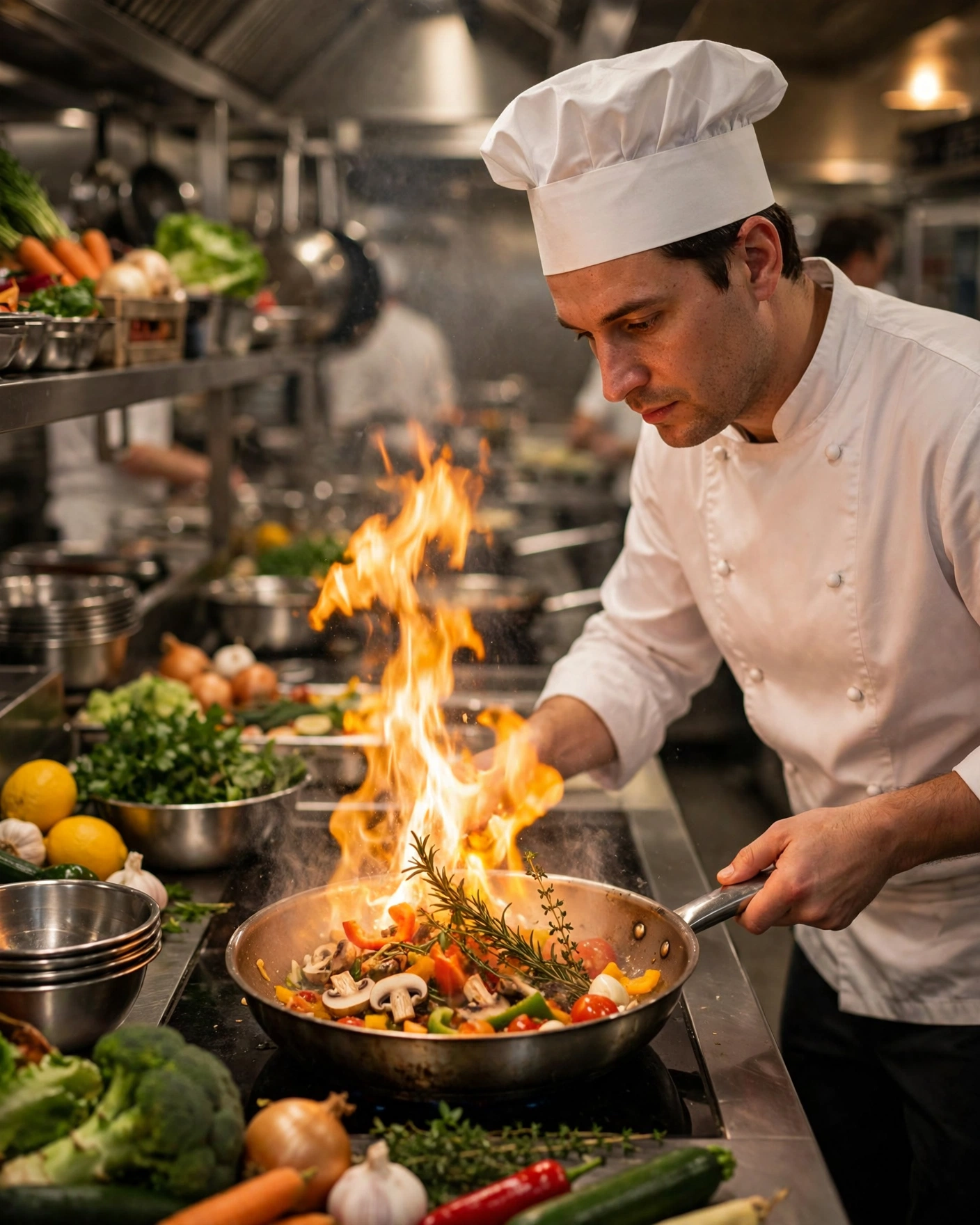
A chef in Germany prepares food, runs a section of the kitchen during service, and keeps the workspace clean and safe. Mornings often start with deliveries, prep work and mise en place. Vegetables are washed and cut, stocks and sauces are checked, and the menu for the day is confirmed with the head chef. Service is the busiest part of the day, and it moves fast.
Lunch and dinner services follow a similar pattern in most kitchens. Orders come in, dishes go out in a set order, and timing matters more than anything else. A chef who works the grill, the saute station or the cold kitchen needs to keep pace with the rest of the team. Short, direct calls across the kitchen keep everyone on the same dish at the same time.
Cleaning is part of the job, not an extra task. Surfaces are wiped down between services, fridges are checked, and food is labelled and stored at the right temperature. German kitchens take food hygiene seriously, and health inspectors can visit without warning. Shifts vary by employer, and weekend and evening work is common. Standing for long hours is normal, and the kitchen gets hot in summer.
The trial cook, the kitchen hierarchy and the Ausbildung route
German kitchens have their own habits, and three of them matter most to a job seeker. The trial cook, known as Probearbeiten, the kitchen hierarchy, and the Ausbildung training route all shape how hiring works.
The trial cook
Many German employers invite a shortlisted cook to a trial shift before they offer a contract. This is called Probearbeiten, and it usually lasts a day or part of a day. You work a real service alongside the team, and the head chef watches how you handle prep, timing, cleanliness and communication. Some employers pay for the trial shift, and some do not, so ask about this before you start.
Treat the trial as a two way check. You learn how the kitchen runs and whether the hours suit you. The employer learns whether your skills match the menu. Arrive on time, bring your own knives if you have them, and ask questions when a house rule is unclear. Chefs notice cooks who stay tidy and listen during a busy service.
Who runs a German kitchen
Kitchens in Germany follow a clear chain of command. At the top sits the Kuechenchef, the head chef, who plans menus, orders supplies and carries final responsibility for the kitchen. Below the head chef works the Sous Chef, who runs service when the head chef is away. Chef de Partie cooks run one section each, such as starters, mains or desserts. Commis chefs and kitchen helpers support those sections and learn the trade as they go.
Titles can differ between employers, and a small restaurant may not use every rank. A family run guesthouse might have a head chef and two cooks who share everything. A large hotel kitchen may have a full brigade with a separate pastry section. Read the listing carefully to see which rank is being hired for, because the duties of a Chef de Partie and a Commis are very different.
The Ausbildung training route
Ausbildung is the German system of vocational training, and cooking is one of its classic trades. A Koch Ausbildung combines paid work in a kitchen with classes at a vocational school, and it usually runs for three years. Trainees learn knife skills, menu planning, hygiene rules, costing and service, and they rotate through sections of the kitchen.
This route suits people who are already in Germany or who can apply for a training place from abroad with the right visa. Language matters here, because classes are taught in German and the exams use German terms. Employers who offer Ausbildung places often look for basic German and a genuine interest in the trade rather than years of experience. If you trained as a cook outside Germany, your qualification may be recognised in part.
Where to find real listings
Start with the Federal Employment Agency portal, the official job board run by the Bundesagentur fuer Arbeit. Employers across Germany post kitchen roles there, and listings show the employer name, the location and the requirements. Make it in Germany, the official government information portal, explains the steps for skilled workers and links to official sources rather than to agents.
Indeed Germany is the other place most job seekers check. Search by role and city, such as Koch in Munich or Chef de Partie in Berlin, and read the full listing before you apply. Hotel groups and restaurant chains also post openings on their own career pages, and those listings are often the freshest. A real recruitment agency never charges the job seeker for a placement, so walk away from any agency that asks for money before it shows you a job.
What employers usually ask for
Experience is the first thing most employers look for. A restaurant hiring a Chef de Partie wants someone who has run a section during service before. A hotel hiring a Commis may accept less experience if the cook shows solid knife skills and a willingness to learn. Your CV should name the kitchens you worked in, the sections you covered, and the type of food you cooked.
A formal qualification helps, and a certificate from a recognised cooking course or an Ausbildung carries weight in Germany. Employers also value references from past kitchens, because a short call to a former head chef tells them more than a long CV. Language is a practical question too. Kitchens in large cities sometimes work in English, and international teams are common. German still helps a lot, and many employers ask for basic German so you can read orders and talk with the team.
How pay is described
Pay for chef jobs in Germany is usually described as an hourly rate or a monthly salary, and it varies by region, employer, role and experience. A head chef in a Munich hotel earns more than a Commis in a small town guesthouse, and that gap is normal. Collective agreements cover some kitchen roles, and those agreements set minimum terms for pay, hours and holidays in the businesses they cover.
Listings sometimes mention tips, meals during shifts, or accommodation in tourist areas. Treat those extras as part of the whole offer, not as a replacement for pay. A free meal during a shift is common in restaurants, and it is worth having, but it does not change the salary on the contract. Read the contract before you sign it, and check the hours, the overtime rules and the holiday allowance.
The visa question honestly
Citizens of the European Union, the European Economic Area and Switzerland do not need a visa to work in Germany. They can move, live and work there under freedom of movement rules, and they register their address after arrival. Citizens of other countries need a work visa or a residence permit that allows work, and the visa must be in place before the job starts.
Germany has skilled worker routes for trained cooks, and a recognised qualification or several years of relevant experience can support an application. The exact route depends on your qualification, your language level and whether you have a job offer. Some applicants need their foreign qualification recognised before they apply, and the recognition process takes time. No agent can guarantee a visa, and no employer can promise one on your behalf. Visa decisions are made by German authorities, not by recruiters or by the restaurant.
How to apply
A careful application takes a little time, and it shows the employer that you are serious. These steps keep the process simple and honest.
Step 1: Choose the role and the region
Pick one role that fits your experience, such as Commis, Chef de Partie or Sous Chef, and one region you would like to live in. A focused search in Berlin, Munich, Hamburg or a tourist region like Bavaria gives better results than applying for every kitchen job in the country.
Step 2: Prepare a clear CV and a short cover note
Write a CV that lists your kitchen experience in order, with the employer name, the dates and the section you worked. Add your qualification, your language level and a reference contact if you have one. Keep the cover note short, and say why this kitchen and this role suit you.
Step 3: Apply through the real listing
Send your application through the portal or the employer career page where you found the listing. Attach your CV as a PDF and include the documents the listing asks for. Avoid sending the same message to many employers at once, because a tailored note reads better and gets more replies.
Step 4: Prepare for the interview and the trial shift
Employers often call shortlisted cooks for a short interview first, and then invite them to a trial shift. Learn a little about the restaurant, its menu and its style before the call. Plan your travel, confirm the trial date and time, and ask whether the trial is paid.
Step 5: Read the contract and apply for the visa
When an offer comes, read the contract in full before you sign it. Check the job title, the salary, the hours, the start date and the notice period. If you need a visa, apply through the official German channel with the contract and the documents the embassy asks for. Keep copies of everything you send.
What to avoid
Never pay for a job offer. A real employer in Germany does not charge a cook for a contract, a trial shift or a visa letter. If someone asks for money before you have a signed contract, the offer is not genuine. The same rule covers agents who charge a fee for a placement or for a guaranteed visa.
Fake listings are a real problem in overseas job searches. Watch for listings with no employer name, no clear location, or a salary that looks far above the normal range. A listing that uses only a messaging app for contact and avoids a proper interview should raise a warning sign. Search the employer name online and check whether the restaurant or hotel exists. If an offer feels rushed or secretive, slow down and check it before you send anything.
FAQ
Do I need to speak German to work as a chef in Germany?
Basic German helps in most kitchens, and some employers ask for it in the listing. Large city kitchens and international hotels sometimes work in English, so a cook with strong skills and little German can still find work. Learning German improves your options, and it matters more if you want an Ausbildung place or a senior role.
What is a trial shift, and is it paid?
A trial shift, or Probearbeiten, is a short working shift where the employer sees how you cook during a real service. It usually lasts a day or part of a day. Some employers pay for it, and some do not, so ask before you start. A trial is normal in Germany, and it is also your chance to see the kitchen before you accept a job.
Can I apply for chef jobs in Germany without a formal qualification?
Yes, and many cooks do. Experience in a busy kitchen, a strong reference and solid skills can be enough for a Commis or Chef de Partie role. A formal qualification helps, and recognition of a foreign qualification can strengthen an application for a skilled worker visa. Check the listing, because some senior roles ask for a qualification by name.
Which cities in Germany hire the most chefs?
Berlin, Munich, Hamburg, Frankfurt and Cologne have large restaurant and hotel scenes, and they post kitchen roles through the year. Tourist regions in Bavaria, the Black Forest and along the Rhine also hire, and seasonal demand rises in summer and around Christmas. Smaller towns hire too, and the competition for roles there is often lower.
How long does the visa process take for a non-EU chef?
Processing times vary by country, by visa type and by how complete the application is. Some applications move in weeks, and others take months, so apply as early as you can. A complete application with a signed contract, a recognised qualification where needed, and the documents the embassy asks for moves faster than one with missing papers.
Related guides
Job804 shares job information and practical guides. Job804 is not an employer, not a recruitment agent, and does not guarantee a job, an interview, or a visa. Always check the live listing on Seek, Indeed, or the employer official website, and check visa conditions on the official immigration website before you apply or pay for anything. Never pay for a job offer.
Last checked: 28 November 2026. Check the live listing before you apply.
