
Introduction
Dairy farm jobs in Canada are steady, hands on roles. They suit people who like animals and do not mind early mornings. Dairy workers milk cows, feed and care for the herd, clean the barns, and help with calving. The work runs every day of the year, including weekends. Most dairy farms are family run or mid sized operations in Ontario, Quebec, Alberta, and British Columbia.
This guide explains what dairy farm work in Canada actually involves. It covers what farms look for, where to find real listings, and how to apply safely. It is written for job seekers, and it does not promise a job, a visa, or sponsorship.
What dairy farm work in Canada actually looks like
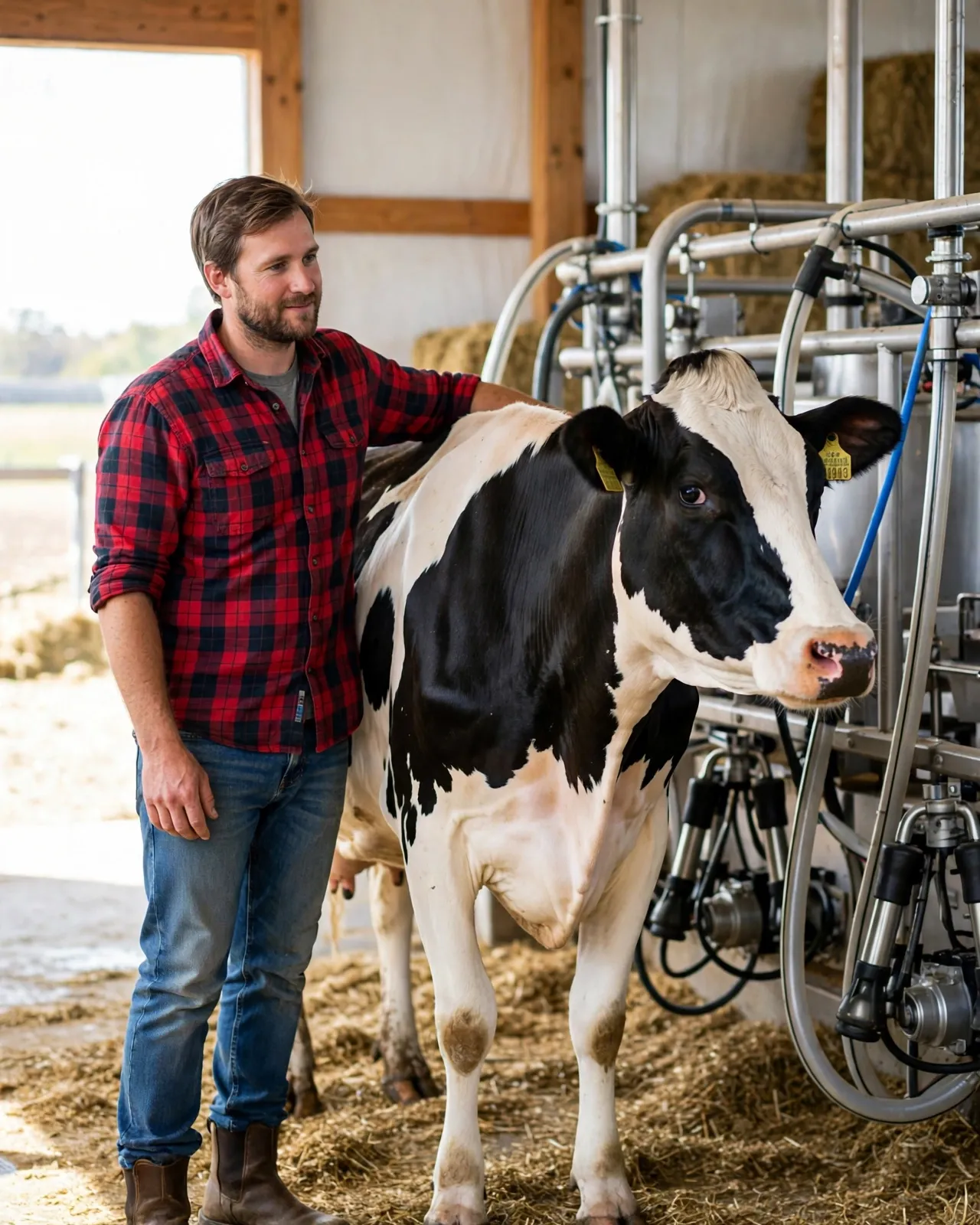
A dairy farm day starts very early, often before sunrise, because the cows need milking on a fixed schedule. The morning milking is the first job. It takes a couple of hours in a modern parlour. Machines do the milking while workers move the cows in and out. After milking comes feeding, cleaning the barn, and checking the herd. Watch for any animal that looks unwell or off its feed.
The work changes through the day. Midday is for feeding calves, bedding down the stalls, and fixing fences or equipment. The afternoon brings the second milking. Then comes the evening feed and a last check on the herd before the day ends. Some farms milk twice a day and some milk three times. The roster should say which one it is before you start.
Most dairy work is done in barns and yards in all kinds of weather. A Canadian winter is cold, and the barn work does not stop for snow. Wear warm clothes and good boots. Summer is busy with hay and silage work on top of the milking. You need to be comfortable around large animals and on your feet all day. You also need to lift feed bags and handle equipment safely.
Where to find real dairy farm jobs in Canada
The best place to start is Job Bank, the Canadian government job board, which lists farm and dairy roles from employers across the country. Search for dairy farm and the province you want to work in, and read the listing in full before you apply. Indeed Canada is the second place to check, and it often lists the same roles from larger dairy operations and farm labour companies.
Large dairy farms in Ontario and Quebec hire workers directly through their own websites and local farm job boards. Farms in Alberta and British Columbia do the same, and they often list the milking schedule, the size of the herd, and whether housing is included in the ad. Farm labour agencies also place dairy workers on longer term roles, which can be a good way to start if you are new to the area.
When you search, use the province as well as the role. Dairy work in Ontario is different from dairy work in Alberta or Quebec. Ontario has the most dairy farms and the most openings, while Alberta has larger herds and more mechanised parlours. Check the milking schedule carefully, because a farm that milks three times a day will have a very different roster from one that milks twice.
What employers usually ask for
The first thing an employer asks for is proof you can work with animals and handle physical work. Dairy work does not usually need a formal qualification, but employers want to see that you are calm around cows, able to follow a routine, and willing to work early mornings and weekends. Previous farm or animal work helps a lot, and a reference from a past farm employer is worth more than a long resume.
The second thing is reliability. Cows need milking every day, and a farm needs people who turn up on time for every shift, including Sundays and holidays. If you miss the morning milking, the whole day slips. Employers remember the workers who show up in a snowstorm and finish the shift, and those are the people who get kept on.
Employers also look for a valid work permit or the right to work in Canada, and they will ask to see it before you start. Some farms provide housing on the farm, and if they do, the listing should say what it costs and what is included. A driving licence helps too, because farms are often a long way from the nearest town and you may need to drive a tractor or a farm truck.
How pay is described in a listing
Pay for dairy farm jobs in Canada is usually listed per hour, or as a monthly salary for a full time live in role. The rate changes by province, by the size of the farm, and by your experience. A real listing states the rate clearly, or it says the rate is discussed at interview. Overtime and weekend work are common on dairy farms, so check whether the listing mentions extra hours and how they are paid.
Read the listing for how pay is described. A listing that promises very high pay for very little work, with no employer name and no farm location, is a warning sign. Never pay for a job, a ticket, a uniform, or a visa before you have a written offer. A real farm pays you for your work, and it never asks you to pay to start milking.
The visa question, honestly
Canada runs farm worker programs, and dairy work is one of the jobs those programs cover, but the rules depend on your country, your age, and the program you apply through. Most farms hire people who already have the right to work in Canada, such as citizens, permanent residents, and people on work permits that allow farm work.
If you are outside Canada and want to work on a dairy farm there, be careful with anyone who promises you a farm job and a visa for a fee. A real employer never asks you to pay for a job or a visa. Check the official immigration website for the visa you would need, and check that the employer and the farm are real before you send documents or pay anything. The application takes time, so start early and do not pay anyone who says they can speed it up for a fee.
How to apply, step by step
Step 1: Get your documents ready
Gather a short resume that lists any farm, animal, or outdoor work you have done, and add references from a past employer if you have them. Have your passport and your work permit or proof of the right to work in Canada ready. If you have a driving licence or tractor experience, mention it, because farms value both.
Step 2: Search properly on Job Bank and Indeed
Search Job Bank and Indeed Canada for dairy farm and the province you want to work in. Read each listing in full. Check the employer name, the farm location, the size of the herd, the milking schedule, and whether housing is provided. Apply only to listings that name the employer and the farm.
Step 3: Write a short, specific application
Keep your resume to one or two pages. Put your farm and animal experience at the top, and say clearly which province you can work in and when you can start. Mention any dairy work you have done before, and be honest about early starts and weekend work. Do not copy the job ad word for word.
Step 4: Prepare for a practical interview
Dairy farm interviews are often practical. Expect questions about whether you are comfortable around cows, whether you can work early mornings and weekends, and whether you can lift feed bags and work in cold weather. Some farms ask for a short trial shift. Answer with examples from your own experience, and be honest about what you can do.
Step 5: Check the offer before you accept
Read the offer before you sign. Check the pay, the hours, the milking roster, the farm location, and whether housing is included. Check whether the role is seasonal or year round, and what happens on public holidays. If anything in the offer is different from what the listing promised, ask about it before you sign.
Your routine and your reputation
In dairy work, your routine and your care with the animals travel with you. A worker who milks calmly, notices a sick cow early, and keeps the barn clean gets trusted with more. A worker who rushes the animals, skips the cleaning, or misses shifts does not. Farm owners talk to each other, and dairy managers remember the good workers by name.
Look after the herd and look after yourself, because dairy work is a long day every day of the year. Wear good boots and warm clothes in winter, drink water through the day, and take the breaks the farm gives you. A worker who stays healthy and steady through the winter earns more trust than one who burns out in the first month.
What to avoid
Do not apply to a listing that has no employer name, no farm location, and only a phone number or messaging app. Never pay for a job, a ticket, a uniform, or a visa before you have a written offer. Keep your passport number and bank details private until you have verified the employer. Turn down any role that asks you to work without a proper work permit, because that is not allowed in Canada. If a listing promises very high pay for very little work, walk away.
Frequently asked questions about dairy farm jobs in Canada
Do I need experience to work on a dairy farm in Canada?
Most farms do not need a formal qualification, but they do need people who are calm around animals and able to work early mornings and weekends. Previous farm or animal work helps, and a good reference is worth a lot.
What hours do dairy farm workers in Canada work?
Dairy farms usually run two or three milkings a day, starting very early in the morning. The roster should be in the listing, and you should ask about weekends and holidays before you accept.
How much do dairy farm workers earn in Canada?
Pay is usually listed per hour or as a monthly salary, and it changes by province, by the size of the farm, and by your experience. Check the live listing for the rate, because it changes from employer to employer.
Can I work on a dairy farm in Canada without a work permit?
No. You need the right to work in Canada, such as a work permit that allows farm work. Be careful with anyone who says you can work without one, and check the official immigration website.
Is housing provided for dairy farm workers in Canada?
Some farms provide housing on the farm, and some do not. If housing is offered, the listing should say what it costs and what is included. Ask before you accept the role.
Related guides
Job804 shares job information and practical guides. Job804 is not an employer, not a recruitment agent, and does not guarantee a job, an interview, or a visa. Always check the live listing on Job Bank or Indeed Canada, and check visa conditions on the official immigration website before you apply or pay for anything. Never pay for a job offer.
Last checked: 19 November 2026. Check the live listing before you apply.
