
Introduction
Factory jobs UK wide suit people who like steady, hands on work, do not mind working in shifts, and enjoy finishing each day with a clear result. Factory workers make, pack, and check food, drinks, clothes, parts, and other goods in factories and warehouses across the country.
This guide explains what factory work in the UK actually involves, what employers look for, where to find real listings, and how to apply safely. It is written for job seekers, and it does not promise a job, a visa, or sponsorship.
What factory work in the UK actually looks like
A factory worker in the UK works on a production line, where each person does one part of the job and the product moves along the line. One worker may put a part in place, the next may check it, and the next may pack it into a box. The work is steady and repetitive, and it needs care and attention to detail.
Most factory work falls into a few kinds of roles. A production worker works on the line, assembling, filling, or packing products. A packer packs finished products into boxes, labels them, and stacks them on pallets. A quality checker inspects products for faults, and removes any that do not meet the standard. A machine operator runs a machine that makes or packs a product, and checks that the machine is working as it should.
A typical shift
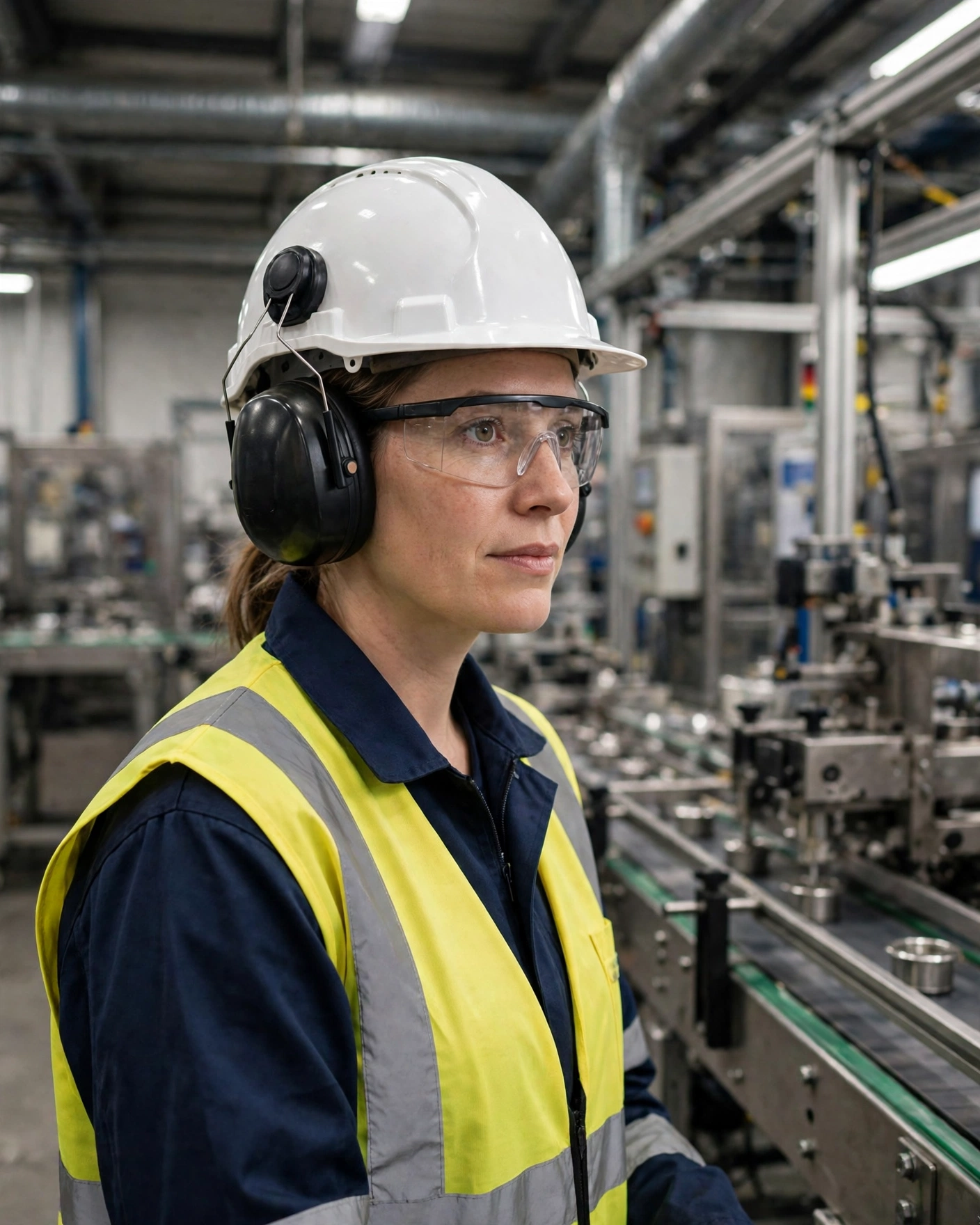
A normal shift starts with a short meeting about the work for the day, the target for the shift, and the safety points to watch. Then the work begins, and the line moves at a set pace. Workers stand at their station for most of the shift, with breaks at set times. They wear work boots, gloves, and a hair net or a hat, and in a food factory they wear a white coat and wash their hands often.
The work is physical, with a lot of standing, lifting, and moving. Factory workers lift boxes, stack pallets, and move products from one part of the factory to another. Hours are often shifts, with early mornings, late evenings, and nights, and weekend work is common when a factory is busy. Some factories work around the clock, with three shifts a day.
The best factory workers are the ones who are fast without being careless. A worker who keeps up with the line and checks the product as it goes past is worth a lot to a factory. A worker who notices a fault early, and tells the supervisor, saves the factory time and money. A good attitude matters too, because the work is repetitive, and a worker who stays cheerful and keeps going is the one who gets kept on when the busy period ends.
Where to find real factory jobs in the UK
The best place to start is Indeed UK, which carries the most factory listings in the country. Search for factory worker, production worker, or packer, and the town or city you want to work in, and read the listing in full before you apply. Reed is the second place to check, and it often lists the same roles from factories and from recruitment agencies.
Recruitment agencies are a big part of factory hiring in the UK. Agencies such as Adecco, Manpower, and other local agencies place factory workers in factories across the country, and they often have roles that start at short notice. If you want work quickly, an agency is often the fastest way in, and it can lead to a permanent role if the factory likes your work.
The large factories list roles on their own websites too, and they often have a careers page with dozens of roles at once. The UK government job site, Find a Job on GOV.UK, also lists factory roles, and it is useful for jobs in larger factories and in food production.
When you search, check where the factory is and how you will get there. Some factories are outside the town centre, and some shifts start before the buses run, so travel matters. Check whether the listing says the role is full time or part time, and whether it is days or nights. A real listing names the factory or the agency, the area, and the kind of factory work involved.
Shift work and food factories, explained simply
Many factory jobs in the UK are shift work, which means the factory runs for more than one shift a day. A common pattern is an early shift, a late shift, and a night shift, with workers rotating between them. Some factories use a fixed shift, where you always work the same hours, and some use a rotating shift, where the hours change each week. Read the listing to see which pattern the role uses, and ask about it at interview if it is not clear.
Food factories have extra rules, because the food they make is eaten by people. Workers wash their hands often, wear a hair net and a white coat, and do not bring food or drink onto the production line. They keep the work area clean, and they report any fault or contamination to the supervisor straight away. A food hygiene course helps for food factory work, and many employers provide the training when you start.
Some factories are cold, because they make chilled food, and some are hot, because they bake or cook food. Workers wear the right clothing for the area they work in, and they take breaks in a warm room when the work is in a cold store. If a listing says the role is in a chilled environment, check that you are comfortable working in the cold for a full shift.
What employers usually ask for
The main thing a factory employer looks for is a person who is fit, reliable, and willing to learn. Experience counts, and a firm wants to see work you have done in a factory, in a warehouse, or in another physical job. A clean driving record matters if the role needs a car, because factories are often outside the town centre, and the firm needs to trust you to get to work on time.
Employers look for people who can work at a steady pace without losing quality. A worker who keeps up with the line and checks the product as it goes past is worth a lot to a factory. A good attitude matters too, because the work is repetitive, and a worker who stays cheerful and keeps going is the one who gets kept on.
Physical fitness helps, because the job means standing and lifting all day, and sometimes working in a cold or hot area. A forklift licence is a plus, and some employers pay for the training after you start. A willingness to work nights and weekends is needed, because those are the times many factories are busiest.
Be honest about your experience, because a firm will find out quickly once you are on the line. If you are new to factory work, say so, and say what you can bring from your last job. Many factory workers start as packers, learn the line, and move on to machine work or quality checking after a few months.
How pay is described in a listing
Pay for factory jobs in the UK is usually listed per hour, or as a yearly salary for a full time role. The rate changes by region, by the factory, and by your experience. Night shifts and weekend work often pay a higher rate, and the listing should say so. A real listing states the hourly rate clearly, or it says the rate is discussed at interview.
Read the listing for how pay is described. A listing that promises very high pay for very little work, with no firm name and no area, is a warning sign. Never pay for a job, a certificate from an unknown provider, a uniform, or a visa before you have a written offer. A real factory pays you for your work, and it never asks you to pay to start work.
The visa question, honestly
Factory work in the UK is usually done by people who already have the right to work in the UK, such as citizens, residents, and people on work visas that allow this kind of work. The rules depend on your visa type and your situation.
If you are outside the UK and want to work in a factory, be careful with anyone who promises you a factory job and a visa for a fee. A real employer never asks you to pay for a job or a visa. Check the official government website for the visa you would need, and check that the employer and the factory are real before you send documents or pay anything.
How to apply, step by step
Step 1: Get your documents ready
Gather a short resume that lists your work experience, any factory or warehouse work, and any training you have completed. Add references from a past employer if you have them. Have proof of your right to work in the UK ready, and keep copies of any training certificates.
Step 2: Search Indeed, Reed, and Find a Job for factory jobs UK wide
Search Indeed UK and Reed for factory worker, production worker, or packer, and the town or city you want to work in. Read each listing in full. Check the employer name, the area, the kind of factory work, and whether the role is days or nights. Apply only to listings that name the employer and the place.
Step 3: Write a short, specific application
Keep your resume to one or two pages. Put your factory experience at the top, and say clearly which area you can work in and when you can start. Mention the kind of factory work you know best, such as packing, production, or machine work. Do not copy the job ad word for word.
Step 4: Prepare for an interview
Factory interviews are often practical. Expect questions about jobs you have done, how you handle repetitive work, and how you stay safe on a production line. Some factories ask for a short trial on the line. Answer with examples from your own experience.
Step 5: Check the offer before you accept
Read the offer before you sign. Check the pay, the hours, the shift pattern, whether a uniform is provided, and whether night and weekend rates apply. Check what training the firm provides and whether it pays for a forklift licence. If anything in the offer is different from what the listing promised, ask about it before you sign.
What to avoid
Do not apply to a listing that has no factory or employer name, no area, and only a phone number or messaging app. Never pay for a job, a certificate, a uniform, or a visa before you have a written offer. Keep your passport number and bank details to yourself until you have verified the employer. Walk away from a role that asks you to work without the visa your situation needs, because that is not allowed in the UK. Follow every safety rule on a production line, and never work on a machine you have not been trained to use.
Frequently asked questions about factory jobs in the UK
Do I need experience to work in a factory in the UK?
Many factories take on workers with no experience and train them on the job. Experience in factory work, warehouse work, or another physical job helps. A good attitude and a willingness to learn matter most for a first role.
How much do factory jobs UK wide pay?
Pay is usually listed per hour, and it changes by region, by the factory, and by your experience. Night shifts and weekend work often pay a higher rate. Check the live listing for the rate, because it changes from employer to employer.
Can I apply for factory jobs UK wide from overseas?
You can apply from overseas, and some factories hire workers from other countries. You still need the right to work in the UK, so check that before you apply.
Is factory work mostly days or nights?
Both. Some factories work regular day shifts. Others run around the clock, with early, late, and night shifts. The listing should say which pattern the role uses.
Do factories provide training?
Most factories provide training when you start, including health and safety, food hygiene in a food factory, and training on the machines you will use. Check what training the firm provides and whether it is paid.
Related guides
Job804 shares job information and practical guides. Job804 is not an employer, not a recruitment agent, and does not guarantee a job, an interview, or a visa. Always check the live listing on Indeed UK, Reed, or Find a Job, and check visa conditions on the official government website before you apply or pay for anything. Never pay for a job offer.
Last checked: 23 November 2026. Check the live listing before you apply.
