
Introduction
Mushroom picker jobs Canada wide suit people who like steady, hands on work, do not mind working indoors, and enjoy finishing each day with a clear result. Mushroom pickers harvest fresh mushrooms in growing rooms on mushroom farms in Ontario, British Columbia, and other provinces across the country.
This guide explains what mushroom picking work in Canada actually involves, what employers look for, where to find real listings, and how to apply safely. It is written for job seekers, and it does not promise a job, a visa, or sponsorship.
What mushroom picker work in Canada actually looks like
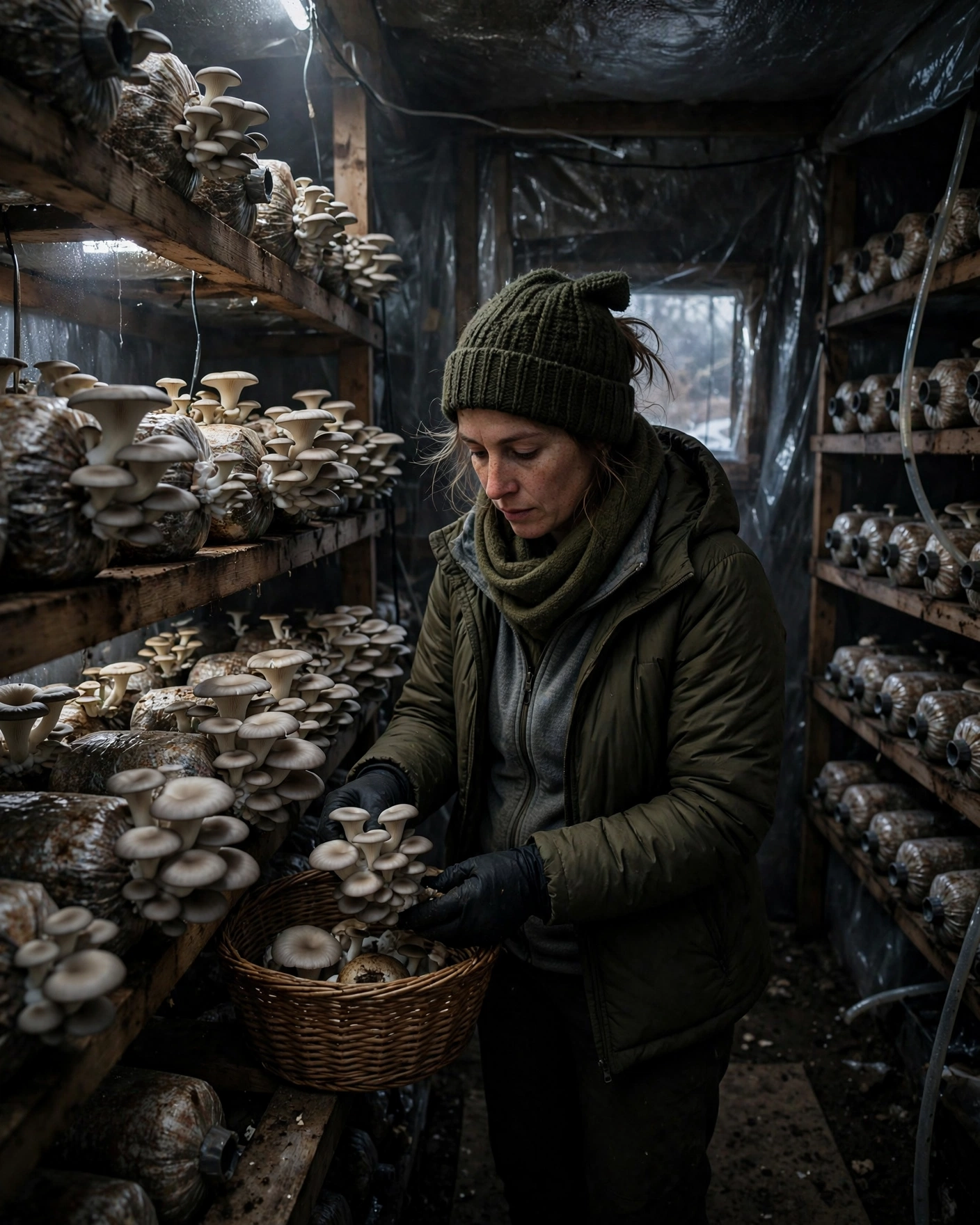
A mushroom picker in Canada works inside a growing room, where the mushrooms grow on beds stacked in rows. The room is cool, dark, and damp, because that is what mushrooms need to grow. Pickers walk along the rows with a trolley or a basket, and pick the mushrooms that are ready, one by one, by hand.
Most mushroom picking work falls into a few kinds of tasks. The main task is picking, which means choosing mushrooms that are the right size, twisting them gently from the bed, and placing them in a basket without bruising them. A picker also grades the mushrooms, which means sorting them by size and quality, and packing them into boxes for the market. Some pickers also help with watering the beds, cleaning the growing rooms, and preparing new beds for the next crop.
A normal day in the growing room
A normal day starts early, often in the morning, with a short meeting about which rooms are ready to pick and how many boxes are needed. Then the picking begins, and the work is steady and repetitive. Pickers work along a row, picking the mushrooms that are ready and leaving the small ones to grow for another day. They check each mushroom as they pick it, because a bruised mushroom cannot be sold, and a mushroom that is too small is worth less.
The work is physical, with a lot of standing, bending, and reaching. Pickers work on their feet all day, and they work in a cool room, so they wear warm clothing, work boots, gloves, and a hair net. The rooms are damp, so the floor can be slippery, and pickers learn to move carefully. Hours are usually a full working week, with some weekend work when a crop is ready to pick.
The best pickers are the ones who are fast without being careless. A picker who picks quickly but bruises the mushrooms costs the farm money, and a picker who is slow but careful also costs the farm money. The balance is speed with care, and it comes with practice. Pickers who learn the work well often move on to grading, packing, or supervising a team.
Where to find real mushroom picker jobs in Canada
The best place to start is Job Bank, the Canadian government job site, which carries farm and mushroom picking listings across the country. Search for mushroom picker, mushroom harvester, or farm worker, and read the listing in full before you apply. Indeed Canada is the second place to check, and it often lists the same roles from mushroom farms and from recruitment agencies.
Mushroom farms hire in every main growing area, including Ontario, British Columbia, and the Prairies, and in smaller towns where a farm covers a whole district. Large mushroom farms list several roles at once, from picker to packer, and they often have a careers page on their own website. Recruitment agencies that place farm workers are another way in, and they can be useful if you are new to the work and want short term work first.
When you search, check where the farm is and how far it is from your home. Some farms are outside the town centre, and some provide transport or housing for workers, so travel matters. Check whether the listing says the role is full time, and whether it mentions piece rate pay or hourly pay. A real listing names the farm, the province, and the kind of picking work involved.
Working inside a mushroom farm, explained simply
A mushroom farm is different from a field farm, because the work happens inside, in a controlled room. The growing rooms are kept cool and damp, with the air moving all the time. The mushrooms grow on beds of compost, which are stacked in rows from the floor to the ceiling. Pickers use a trolley that moves along the row, and they pick from the beds at different heights, sometimes standing on the trolley to reach the top beds.
The rooms are harvested in flushes, which means a crop of mushrooms grows, is picked over a few days, and then the next flush grows. A picker learns to read a bed, to see which mushrooms are ready and which need another day. The work is done by hand, because a machine would bruise the mushrooms, and a bruised mushroom cannot be sold.
Hygiene matters on a mushroom farm, because the mushrooms are food. Pickers wash their hands, wear clean clothing, and keep the growing rooms clean. They do not bring food into the growing rooms, and they follow the farm rules about what to wear and where to walk. A picker who follows the hygiene rules protects the crop, and the farm.
The rooms are cool, so pickers wear layers, and they wear a hair net to keep hair out of the crop. The work is quiet, with the sound of the fans and the other pickers working along the rows. Some pickers like the quiet, and some listen to music on a single earphone when the farm allows it. Check the farm rules before you bring headphones to work.
What employers usually ask for
The main thing a mushroom farm employer looks for is a person who is fit, reliable, and willing to learn. Experience counts, and a farm wants to see work you have done on a farm, in a warehouse, or in another physical job. A clean driving record matters if the role needs a car, because farms are often outside the town centre, and the firm needs to trust you to get to work on time.
Employers look for people who can work at a steady pace without losing quality. A picker who is fast and careful is worth a lot to a farm, and a picker who is willing to work weekends when a crop is ready is worth even more. A good attitude matters too, because the work is repetitive, and a picker who stays cheerful and keeps going is the one who gets kept on when the season ends.
Physical fitness helps, because the job means standing and bending all day, and sometimes lifting boxes of mushrooms. A willingness to work in a cool, damp room is needed, because that is where the mushrooms grow. Be honest about your experience, because a farm will find out quickly once you are in the growing room. If you are new to mushroom picking, say so, and say what you can bring from your last job.
How pay is described in a listing
Pay for mushroom picker jobs in Canada is usually listed per hour, or as a piece rate, which means you are paid for each box or each kilogram you pick. The rate changes by province, by the farm, and by your experience. A real listing states the pay clearly, or it says the rate is discussed at interview.
Read the listing for how pay is described. If the role is piece rate, check whether there is a minimum hourly rate, and how the piece rate works in practice. A listing that promises very high pay for very little work, with no farm name and no province, is a warning sign. Never pay for a job, a certificate from an unknown provider, a uniform, or a visa before you have a written offer. A real farm pays you for your work, and it never asks you to pay to start work.
The visa question, honestly
Mushroom picking work in Canada is usually done by people who already have the right to work in Canada, such as citizens, permanent residents, and people on work permits that allow farm work. The rules depend on your permit type and your situation.
If you are outside Canada and want to work as a mushroom picker, be careful with anyone who promises you a farm job and a visa for a fee. A real employer never asks you to pay for a job or a visa. Check the official government website for the work permit you would need, and check that the employer and the farm are real before you send documents or pay anything.
How to apply, step by step
Step 1: Get your documents ready
Gather a short resume that lists your work experience, any farm work, and any training you have completed. Add references from a past employer if you have them. Have your work permit or proof of the right to work in Canada ready, and keep copies of any training certificates.
Step 2: Search Job Bank and Indeed Canada for mushroom picker jobs Canada wide
Search Job Bank and Indeed Canada for mushroom picker, mushroom harvester, or farm worker, and the province you want to work in. Read each listing in full. Check the farm name, the province, the kind of picking work, and whether the role is full time. Apply only to listings that name the employer and the farm.
Step 3: Write a short, specific application
Keep your resume to one or two pages. Put your farm experience at the top, and say clearly which province you can work in and when you can start. Mention the kind of farm work you know best, such as picking, packing, or general farm work. Do not copy the job ad word for word.
Step 4: Prepare for a practical interview
Farm interviews are often practical. Expect questions about jobs you have done, how you handle repetitive work, and how you stay safe in a cool, damp room. Some farms ask for a short trial in the growing room. Answer with examples from your own experience.
Step 5: Check the offer before you accept
Read the offer before you sign. Check the pay, the hours, the farm, whether transport or housing is provided, and whether weekend work is part of the role. Check what clothing you need to bring and what the farm provides. If anything in the offer is different from what the listing promised, ask about it before you sign.
What to avoid
Do not apply to a listing that has no farm or employer name, no province, and only a phone number or messaging app. Never pay for a job, a certificate, a uniform, or a visa before you have a written offer. Keep your passport number and bank details to yourself until you have verified the employer. Turn down any role that asks you to work without the work permit your situation needs, because that is not allowed in Canada. Leave mushrooms that are not ready on the bed, and take care not to bruise the crop by rushing.
Frequently asked questions about mushroom picker jobs in Canada
Do I need experience to work as a mushroom picker in Canada?
Many mushroom farms take on pickers with no experience and train them on the job. Experience in farm work, warehouse work, or another physical job helps. A good attitude and a willingness to learn matter most for a first role.
How much do mushroom picker jobs Canada wide pay?
Pay is usually listed per hour, or as a piece rate per box or per kilogram picked. It changes by province, by the farm, and by your experience. Check the live listing for the rate, because it changes from employer to employer.
Can I apply for mushroom picker jobs Canada wide from overseas?
You can apply from overseas, and some farms hire pickers from other countries. You still need the right to work in Canada, so check that before you apply.
Is mushroom picking work indoors or outdoors?
Mushroom picking is indoors, in a cool, dark, damp growing room. Pickers wear warm clothing, work boots, gloves, and a hair net, and they work on their feet all day.
Do mushroom farms provide housing or transport?
Some mushroom farms provide housing or transport for workers, and the listing should say so. Check whether housing is provided, what it costs, and how far the farm is from the nearest town.
Related guides
- Mushroom Picker Jobs in New Zealand 2026
- Mushroom Picker Jobs in Australia 2026
- Farm Jobs in Canada 2026
Job804 shares job information and practical guides. Job804 is not an employer, not a recruitment agent, and does not guarantee a job, an interview, or a visa. Always check the live listing on Job Bank or Indeed Canada, and check visa conditions on the official government website before you apply or pay for anything. Never pay for a job offer.
Last checked: 23 November 2026. Check the live listing before you apply.
