
Introduction
Apple picking jobs New Zealand attract thousands of workers every harvest season, and most of them have never picked fruit before. The work is physical, outdoors and paid by the hour or by the bin, and it suits people who enjoy fresh air and working as part of a team. Orchards across Hawke’s Bay, Nelson and Central Otago need large crews for a short, intense period each year, which is why this kind of seasonal work keeps appearing on Seek and Indeed.
This guide explains what the work involves, where it is, what employers look for, how pay works and how visas work. You will also find a step by step way to apply, the warning signs to watch for and answers to the questions people ask most often. Days start early and your body will feel it in the first week.
Apple picking jobs New Zealand: what the work actually looks like
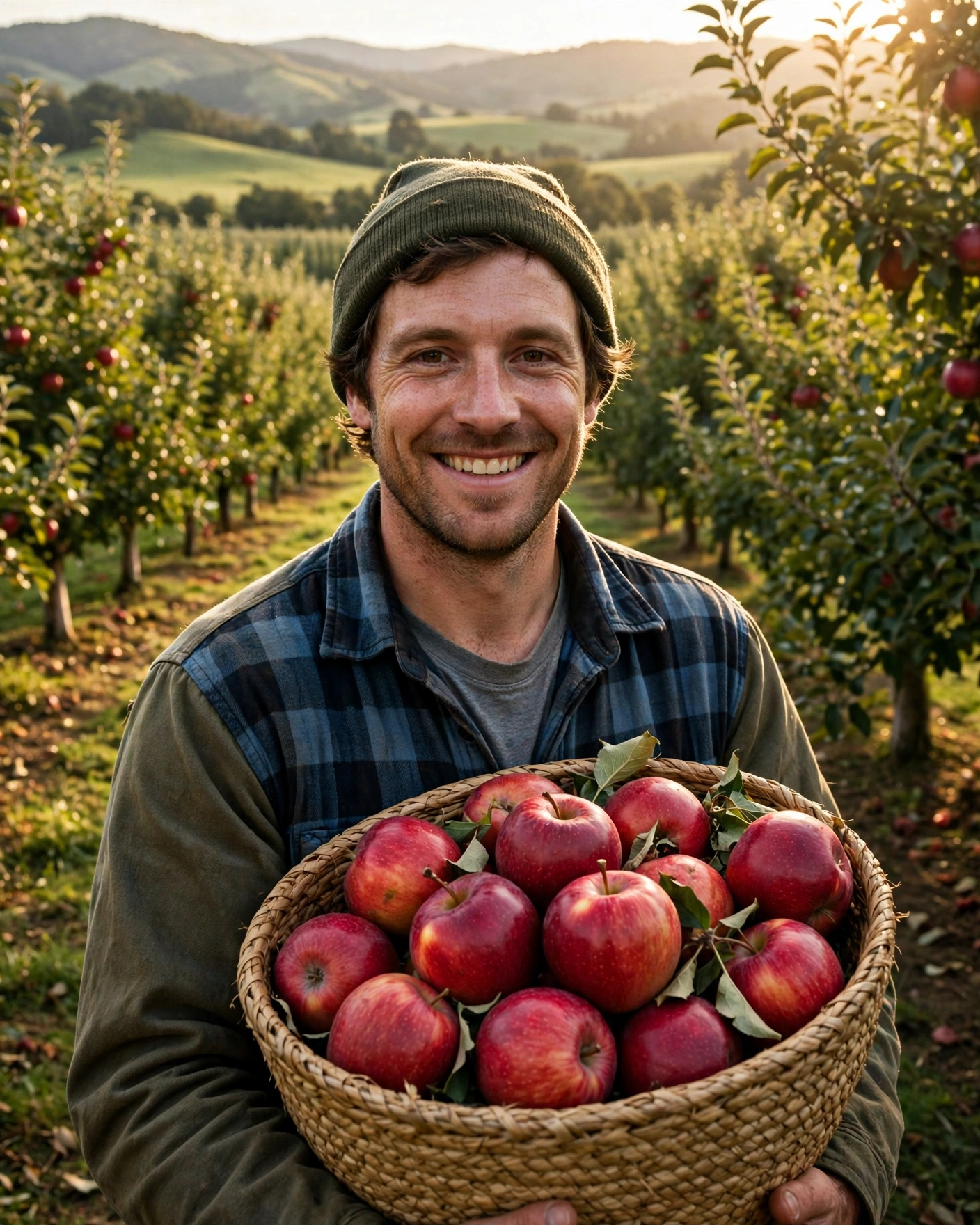
Apple picking jobs New Zealand mean working in rows of apple trees with a picking bag strapped across your chest and shoulders. You pick apples by hand, place them gently into the bag and empty the bag into a large bin when it is full. Speed matters, because orchards pay for fruit picked well, and care matters just as much, because bruised apples lose value. A good picker learns to twist each apple off the stem without pulling the spur, the small piece of wood that carries next year’s fruit.
A normal shift runs for eight to ten hours with breaks for morning tea and lunch, usually starting around 7 am when the fruit is cool and firm. You will be on your feet all day, walking between rows and reaching into the canopy. The pace picks up as the season goes on, and supervisors check quality as they go. Rain can stop work for a day, so weekly hours can vary.
Hawke’s Bay orchards and the harvest season
Hawke’s Bay is the heart of apple picking jobs New Zealand, and it grows more apples than any other region in the country. The area around Hastings and Napier holds large orchards planted in flat, sunny country, with varieties like Royal Gala, Braeburn, Fuji and Jazz ripening at different times.
The harvest usually begins in late summer, around February, and runs through to May, with the busiest weeks in March and April. Royal Gala comes off first, followed by other varieties through autumn. Each variety has its own picking window, and orchard managers watch colour and firmness closely before they send a crew into a block.
Hawke’s Bay orchards are large, and many employ hundreds of pickers at the peak. That scale brings structure: buses from worker accommodation, a lunch area, supervisors for each block and a clear daily target. Smaller orchards feel more personal, with the owner working alongside the crew. Hastings and Napier are small cities with supermarkets, banks, hostels and a beach within easy reach, so days off feel like a proper break. Accommodation fills fast before the season, so ask the employer in writing what help they offer with housing before you travel.
Where to find real apple picking jobs New Zealand
Real apple picking jobs New Zealand appear first on Seek and Indeed, and those two sites should be your starting point every time. Search for “apple picker”, “orchard worker” or “fruit picker” and filter by region, using Hawke’s Bay, Nelson or Central Otago as your location. Listings from large orchard companies and labour hire firms appear here weeks before the season starts, and they usually name the employer, the region and the start date.
PickNZ is the official seasonal work site for New Zealand horticulture, and it lists orchard jobs alongside information about visas and worker rights.
Labour hire companies supply many orchard crews, and their names appear again and again in listings. Firms that specialise in horticulture recruit for several orchards at once, which can mean steadier work if one orchard finishes early. Make sure you understand who pays you, how often and what deductions come out of your pay. Facebook groups for backpackers also carry orchard job posts. Treat these with more care than a Seek listing, and ask for the orchard name, the company name and a written offer before you travel anywhere.
What employers usually ask for
Most apple picking jobs New Zealand ask for very little in the way of formal qualifications, and that is part of their appeal. Employers want people who are physically fit, reliable and willing to work outdoors in all weather. You need to be able to lift a picking bag, walk for hours and repeat the same careful movement all day without losing concentration.
A valid visa that allows work in New Zealand is the first requirement, and employers will check it before your first shift. Working holiday visa holders are the largest group of overseas pickers, and Recognised Seasonal Employer workers arrive on a specific seasonal visa arranged through their home country.
You will need a New Zealand bank account and an IRD number, which is the tax number used in New Zealand, before you can be paid properly. Start the IRD application as soon as you arrive, because it can take a few days. Reliability counts for more than speed in the first week. Turning up on time, every day, and telling your supervisor early if you are sick or injured builds trust fast. Good boots, a sun hat, sunscreen and a water bottle are your own responsibility, and arriving prepared makes a strong first impression.
Pay: how it is usually described
Pay for apple picking jobs New Zealand is usually described as an hourly rate or a piece rate, and the listing should say which one applies. Hourly pay is simple: you earn the same rate for each hour worked, whatever your picking speed. Piece rates pay by the bin or by the amount of fruit you pick, so faster pickers earn more. New Zealand law sets a minimum average earning for piece rate workers, so even on a slow day your pay should not fall below the legal floor when averaged out.
The exact rate is shown in the job ad or confirmed at interview, and it changes from season to season. Overtime rates, weekend rates and public holiday rates may apply, and the employment agreement should spell these out before you start.
Deductions are a normal part of seasonal work in New Zealand, and the common ones are tax, and sometimes accommodation or transport if the employer provides them. Any deduction should be written into your employment agreement with the amount shown. Ask for a payslip each pay period and check the hours, the rate and the deductions against your own record of start and finish times.
The visa question, honestly
The visa question is the part of apple picking jobs New Zealand that causes the most confusion, and it deserves a straight answer. You need a visa that allows you to work in New Zealand before you start picking, and a tourist visa on its own does not allow that. The two common routes for overseas pickers are the working holiday visa and the Recognised Seasonal Employer scheme.
Working holiday visas are available to young people from a list of countries, with age limits and quotas that change by nationality. Check the current age limit, quota and conditions for your own country on the Immigration New Zealand website.
The Recognised Seasonal Employer scheme, known as RSE, brings workers from Pacific Island countries to New Zealand for seasonal horticulture and viticulture work. RSE workers arrive with a job arranged, an employer sponsor and a visa tied to that employer. Recruitment runs through your home country, not through a Facebook post. Visa conditions are checked by employers, and working without the right visa can lead to serious trouble for you and for the employer. Never pay anyone who promises to arrange a visa or a job offer for a fee.
How to apply for apple picking jobs New Zealand
Applying for apple picking jobs New Zealand works best when you treat it like any other job search, even though the work itself is seasonal. A short, honest application sent to a real employer beats a dozen messages sent to strangers on social media. Apply early, because orchards fill their crews weeks before the harvest peaks.
Step 1: Check your visa and your timing
Confirm that your visa allows work in New Zealand and that it covers the harvest months, then match your travel dates to the season. Hawke’s Bay picks from around February to May, so plan to arrive before the peak rather than during it.
Step 2: Search Seek, Indeed and PickNZ
Search Seek, Indeed and PickNZ for apple picker and orchard worker roles in Hawke’s Bay, Nelson or Central Otago. Pick listings that name a real employer and a start date.
Step 3: Prepare a simple CV and cover note
Write a one page CV that lists your work history, your fitness for outdoor work and any farm or physical work you have done. Add a short cover note that says when you can start, how long you can stay and where you will be based.
Step 4: Apply and confirm the details in writing
Apply through the listing or the employer’s own website. When an offer comes, ask for the pay rate, hours, start date and accommodation help in writing before you travel. A real employer will send these without hesitation.
Step 5: Sort your bank account, IRD number and gear
Once you arrive, open a New Zealand bank account, apply for your IRD number and buy good work boots, a sun hat and sunscreen. Attend the orchard induction and listen carefully to the picking technique training.
What to avoid when you apply
The biggest risk with apple picking jobs New Zealand is not the work itself but the people who exploit job seekers around it. Never pay for a job offer, a visa arrangement or a guaranteed place on an orchard crew. Real orchards do not charge workers to get hired, and any fee for a job is a warning sign. Report the post and move on.
Be careful with listings that promise very high pay with no experience, free flights and free accommodation all together. Some of those promises are exaggerated, and some are outright scams. Compare the offer with other listings on Seek and Indeed, and trust the ones that give specific details about the employer, the region and the pay structure.
Never hand over your passport to an employer, a labour hire agent or a middleman. Employers may need to sight your passport and take a copy for their records, and that is normal. Keeping the original document yourself is also normal, and anyone who insists on holding it should be avoided. Keep copies of your employment agreement, your payslips and your visa in a safe place, and keep a record of your hours every day.
A typical week and living costs
A typical week of apple picking jobs New Zealand runs for five or six days, with one or two days off, and most pickers work between forty and fifty hours in a busy week. Days off are for laundry, groceries, rest and exploring, and Hawke’s Bay has beaches, wineries and walking tracks within a short drive of the orchards.
Living costs during harvest are manageable if you plan them. Shared houses and hostel beds are the common choices, and cooking your own meals keeps food costs down.
Your first pay usually arrives a week or two after you start, depending on the pay cycle, so bring enough savings to cover your first two weeks of rent, food and transport. Keep a small emergency fund aside as well, because rain days can cut your hours and a wet week means a smaller pay packet.
Frequently asked questions
Do I need experience for apple picking jobs in New Zealand?
No, most orchards train beginners every season, and your first days include induction and picking technique training. Fitness, reliability and a willingness to work outdoors matter more than experience.
How much can I earn as an apple picker?
Pay is usually hourly or by piece rate, and the exact rate is shown in the live listing or the employment agreement. Your weekly earnings depend on your hours, your speed on a piece rate and how many rain days fall in that week.
When is the apple picking season in New Zealand?
The main harvest runs from around February to May, with the busiest weeks in March and April in Hawke’s Bay and Nelson. Different varieties ripen at different times, which stretches the season out.
Can I do apple picking on a working holiday visa?
Yes, a working holiday visa allows you to work in New Zealand, and orchard work is a common choice for working holiday makers. Check the age limit, quota and conditions for your own country on the Immigration New Zealand website, because these change by nationality.
Where do apple pickers live during the season?
Most pickers live in shared houses, hostel beds or worker accommodation near the orchards, and many employers help with finding a place. Hawke’s Bay has hostels and shared houses in Hastings and Napier, and some orchards run their own accommodation.
Related guides
- Farm Jobs in New Zealand 2026
- Mushroom Picker Jobs in New Zealand 2026
- Delivery Driver Jobs in New Zealand 2026
Job804 shares job information and practical guides. Job804 is not an employer, not a recruitment agent, and does not guarantee a job, an interview, or a visa. Always check the live listing on Seek, Indeed, or the employer official website, and check visa conditions on the official immigration website before you apply or pay for anything. Never pay for a job offer.
Last checked: 29 November 2026. Check the live listing before you apply.
